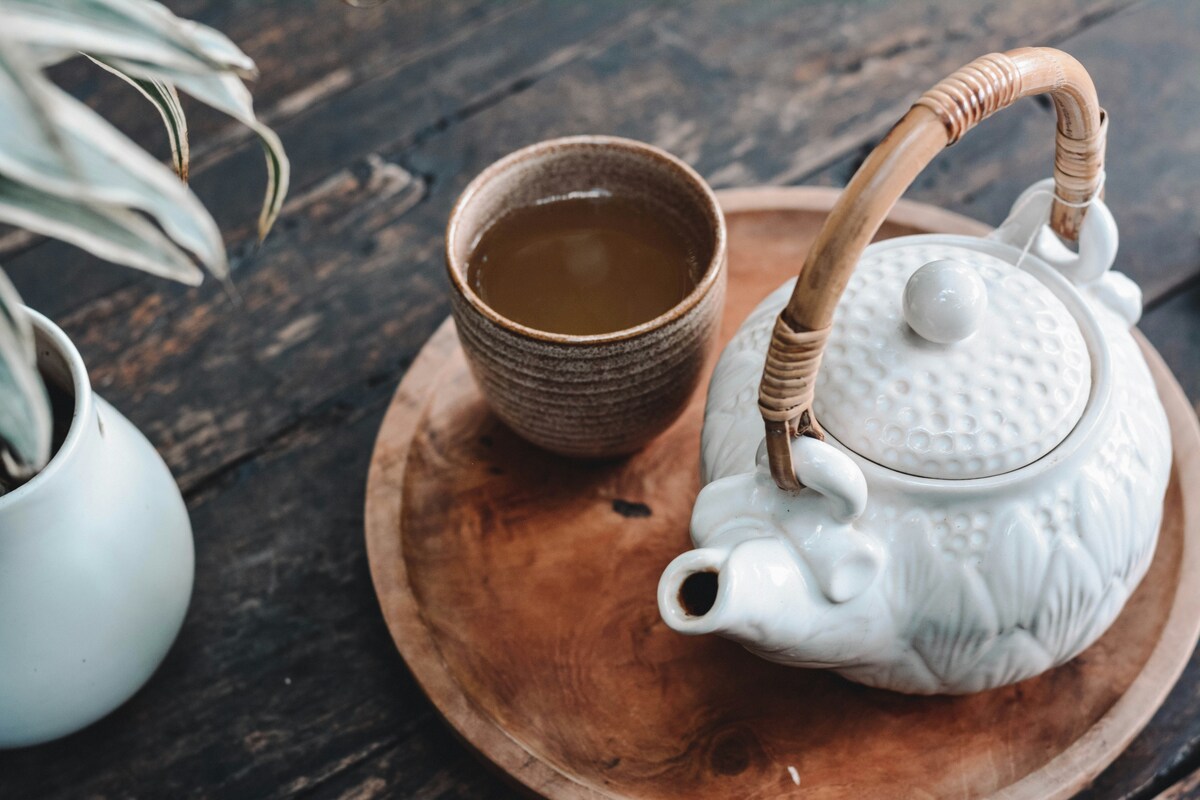
Kava for anxiety is one of the most talked-about natural remedies in wellness right now, and for good reason. Living with an anxiety disorder brings daily challenges that many people never face, and conventional treatments don’t always feel like the right fit.
While benzodiazepines and SSRI antidepressants remain the standard prescriptions, their side effects lead many people to explore holistic alternatives. Kava kava has real clinical evidence behind it as a natural option for easing anxiety symptoms.
This article examines what the research says, what to consider before trying it, and where to find quality products.
Key Highlights
- Clinical evidence supports kava for anxiety relief – Research shows kava kava can meaningfully reduce anxiety symptoms in the short term, making it a legitimate natural alternative for those who haven’t found success with conventional treatments.
- Dosage and form matter – Kava is available as capsules, tinctures, powders, and teas, with most experts recommending 60–120mg of kavalactones daily and no more than 250mg per day to minimize health risks.
- Short-term use only – Kava carries real risks with prolonged use, including liver damage and negative interactions with cannabis, alcohol, and prescription medications. Always consult your doctor before adding it to your routine.
Table of Contents
What is Kava?
Kava kava is an herbal remedy made from the roots of Piper methysticum, a plant native to the islands of the Pacific Ocean. ¹ Its name literally translates to “intoxicating pepper,” and that gives you a decent idea of what it does.
The primary active ingredients are known as kavalactones, which are thought to induce a state of relaxation, calm, and mild euphoria when consumed in small quantities. ²
Pacific Islanders have used kava ceremonially and recreationally for at least 1,500 years. In Western countries, it’s most commonly found as a dietary supplement (available in capsules, tablets, powders, and tinctures), and it’s increasingly used to address mental health concerns like anxiety and insomnia.
Can Kava Help with Anxiety?
Because kava produces a calming, sedating effect, many people have turned to it specifically to manage stress and anxiety. It’s also flexible (available in capsules, tinctures, powders, and teas), which makes it easier to work into different routines.
When you take a kava-based product, you may experience:
- Drowsiness
- General uplifted mood (feeling happy, content, and relaxed)
- Mild numbness in the mouth or throat
- Reduction in appetite
These effects can offer temporary relief from anxiety symptoms. Unlike benzodiazepines, kava doesn’t appear to dull mental sharpness at standard doses, which is one reason some people consider it as an alternative to prescription anti-anxiety medications.
That said, kava shouldn’t be combined with prescription medications. Studies have flagged potential complications from mixing the two. ³ And before replacing any prescribed treatment with a natural supplement, always check with your doctor first.
What Does the Research Say?
The clinical picture of kava for anxiety is promising, but not without nuance. Here’s what the key studies show:
- In a 2013 randomized controlled trial, 75 people with generalized anxiety disorder (GAD) were given either kava or a placebo over six weeks. Those who received kava showed a meaningful reduction in anxiety symptoms, with a moderate effect size. Aside from more headaches in the kava group, no other significant side effects were reported. ⁴
- In an earlier placebo-controlled crossover trial, an aqueous kava extract significantly reduced participants’ Hamilton Anxiety Scale scores compared to placebo, with a substantial effect size. The extract was also found to be safe, with no serious adverse effects or signs of liver toxicity.
- A systematic review and meta-analysis of randomized clinical trials found that kava kava was more effective than a placebo in several trials. It concluded it may work as a short-term treatment for anxiety, though not as a long-term replacement for anti-anxiety medication. ⁵
- A larger 16-week placebo-controlled trial found no significant difference between kava and placebo in people with diagnosed GAD, suggesting kava may be more effective for situational anxiety than for a clinical diagnosis. ¹
The takeaway? Research points to kava being a reasonable short-term option for general anxiety and stress, but its effectiveness for diagnosed anxiety disorders is less clear-cut.
Many people also report that kava provides fast relief during moments of an anxiety attack. These are personal accounts rather than clinical findings, but they’re consistent enough to be worth noting.

Kava Dosage Guide
Kava is available in several forms, giving you flexibility in how you take it. Pacific Islanders traditionally ground the root into a fine powder and mixed it with water, a method still widely used today. In Western markets, you’ll most commonly find it in these forms:
| Form | Description | Typical Use |
| Capsules | Pre-measured, convenient | Daily supplementation |
| Liquid tincture/drops | Fast absorption | On-demand relief |
| Powder | Mixed with water or tea | Traditional preparation |
| Infused drinks | Ready-to-drink, brownish in color | Casual or social use |
| Root tea | Brewed from 2-4g of root in 150mL of water | Traditional method |
Because the FDA doesn’t regulate kava, there’s no officially approved dosage. If you’re new to it, starting low and increasing gradually is the safest approach.
For anxiety specifically, commonly referenced doses include 60–120mg of kavalactones daily, 100mg of a 70% standardized extract three times daily, or 1–3 cups of root tea per day. Most experts recommend not exceeding 250mg of kavalactones daily. ⁴
Keep in mind that kava affects everyone differently and isn’t recommended for long-term use. Always speak with your doctor before using it alongside (or instead of) a prescribed medication.
What are the Risks Associated with Kava?
Like any supplement, kava comes with real risks, especially since it’s unregulated and products aren’t independently screened or tested. ⁶
Kava should never be combined with cannabis, alcohol, or prescription medications. Furthermore, kavalactones interfere with key liver enzymes your body uses to break down toxins and medications. When those enzymes are blocked, harmful substances can accumulate in the liver. ⁷
Common side effects include:
- Dizziness, drowsiness, and headache
- Gastrointestinal upset
- Mild numbness or allergic skin reactions
- Motor reflex and visual disturbances
With long-term or high-dose use, more serious effects can develop, including kava dermopathy (a dry, scaly skin condition), reduced blood cell counts, movement disorders, and elevated liver enzymes.
Can You Overdose on Kava?
Overdose is uncommon but possible. When people take too much kava, they can develop weakness, an unsteady gait, and slurred speech. ⁸
The most serious concern is liver damage. Consuming kava in large amounts or for prolonged periods may increase the risk of liver toxicity, and genetic differences among individuals may influence how susceptible they are. ²
For people without pre-existing liver conditions who aren’t taking medications that affect the liver, short-term use within recommended doses appears to be relatively safe. If you notice unusual fatigue, nausea, dark urine, or yellowing skin while taking kava, stop use immediately and consult your doctor.

Final Word
Using kava for anxiety can offer real short-term relief. However, it’s not a long-term solution, and it’s not the right fit for everyone. Anxiety is complex, and finding what works often takes time and some trial and error.
If you’re considering kava, use it cautiously and sparingly; ideally, for moments when anxiety feels most intense. And before adding it to your routine, talk to your doctor, especially if you’re already taking other medications.
For lasting anxiety management, kava works best as an occasional tool rather than a daily supplement. If you’re looking for something more consistent, other natural alternatives may serve you better.
Frequently Asked Questions (FAQs)
Does kava actually help with anxiety?
Yes, research suggests kava can help reduce anxiety symptoms in the short term. Clinical studies and systematic reviews point to kava as an effective option for anxiety relief, with individual trials confirming it reduces anxiety symptoms without serious adverse effects at recommended doses.
How long does it take for kava to work for anxiety?
It depends on the form you take. Tinctures and liquid extracts tend to work faster (often within 20–30 minutes), while capsules may take longer to absorb. Research suggests that taking kava for at least five weeks produces more consistent anxiety relief, meaning regular short-term use tends to be more effective than a single dose.
Is kava safe to take for anxiety every day?
Short-term daily use within recommended doses appears relatively safe for most healthy adults. Research suggests liver toxicity is not a significant concern when kava is taken for fewer than eight weeks, but long-term daily use carries real risks, including liver damage and kava dermopathy. Always consult your doctor before making it part of a daily routine.
Can kava replace anti-anxiety medication?
Kava shouldn’t be used as a direct replacement for prescribed anti-anxiety medication without medical supervision. Some research suggests kava may serve as a viable alternative to benzodiazepines and SSRIs for milder forms of anxiety, but combining kava with prescription medications can cause dangerous interactions. Always speak with your doctor before making any changes to your treatment plan.
References
¹ Sarris J, Byrne GJ, Bousman CA, Cribb L, Savage KM, Holmes O, Murphy J, Macdonald P, Short A, Nazareth S, Jennings E, Thomas SR, Ogden E, Chamoli S, Scholey A, Stough C. Kava for generalised anxiety disorder: A 16-week double-blind, randomised, placebo-controlled study. Aust N Z J Psychiatry. 2020 Mar;54(3):288-297. doi: 10.1177/0004867419891246. Epub 2019 Dec 8. PMID: 31813230.
² Smith K, Leiras C. The effectiveness and safety of Kava Kava for treating anxiety symptoms: A systematic review and analysis of randomized clinical trials. Complement Ther Clin Pract. 2018 Nov;33:107-117. doi: 10.1016/j.ctcp.2018.09.003. Epub 2018 Sep 15. PMID: 30396607.
³ Anke J, Ramzan I. Pharmacokinetic and pharmacodynamic drug interactions with Kava (Piper methysticum Forst. f.). J Ethnopharmacol. 2004 Aug;93(2-3):153-60. doi: 10.1016/j.jep.2004.04.009. PMID: 15234747.
⁴ Sarris J, Stough C, Bousman CA, Wahid ZT, Murray G, Teschke R, Savage KM, Dowell A, Ng C, Schweitzer I. Kava in the treatment of generalized anxiety disorder: a double-blind, randomized, placebo-controlled study. J Clin Psychopharmacol. 2013 Oct;33(5):643-8. doi: 10.1097/JCP.0b013e318291be67. PMID: 23635869.
⁵ Pittler MH, Ernst E. Kava extract for treating anxiety. Cochrane Database Syst Rev. 2003;2003(1):CD003383. doi: 10.1002/14651858.CD003383. PMID: 12535473; PMCID: PMC6999799.
⁶ Hassen G, Belete G, Carrera KG, Iriowen RO, Araya H, Alemu T, Solomon N, Bam DS, Nicola SM, Araya ME, Debele T, Zouetr M, Jain N. Clinical Implications of Herbal Supplements in Conventional Medical Practice: A US Perspective. Cureus. 2022 Jul 15;14(7):e26893. doi: 10.7759/cureus.26893. PMID: 35978741; PMCID: PMC9375827.
⁷ Savage KM, Stough CK, Byrne GJ, Scholey A, Bousman C, Murphy J, Macdonald P, Suo C, Hughes M, Thomas S, Teschke R, Xing C, Sarris J. Kava for the treatment of generalised anxiety disorder (K-GAD): study protocol for a randomised controlled trial. Trials. 2015 Nov 2;16:493. doi: 10.1186/s13063-015-0986-5. PMID: 26527536; PMCID: PMC4630875.
⁸ Aporosa SA, Itoga D, Ioane J, Prosser J, Vaka S, Grout E, Atkins MJ, Head MA, Baker JD, Blue T, Sanday DH, Owen MW, Murray C, Sivanathan K, Cuthers TW, Mesui-Henry A, McCarthy MJ, Bunn J, Waqainabete I, Turner H. Innovating through tradition: kava-talanoa as a culturally aligned medico-behavioral therapeutic approach to amelioration of PTSD symptoms. Front Psychol. 2025 May 27;16:1460731. doi: 10.3389/fpsyg.2025.1460731. PMID: 40497110; PMCID: PMC12151179.




Leave a Reply