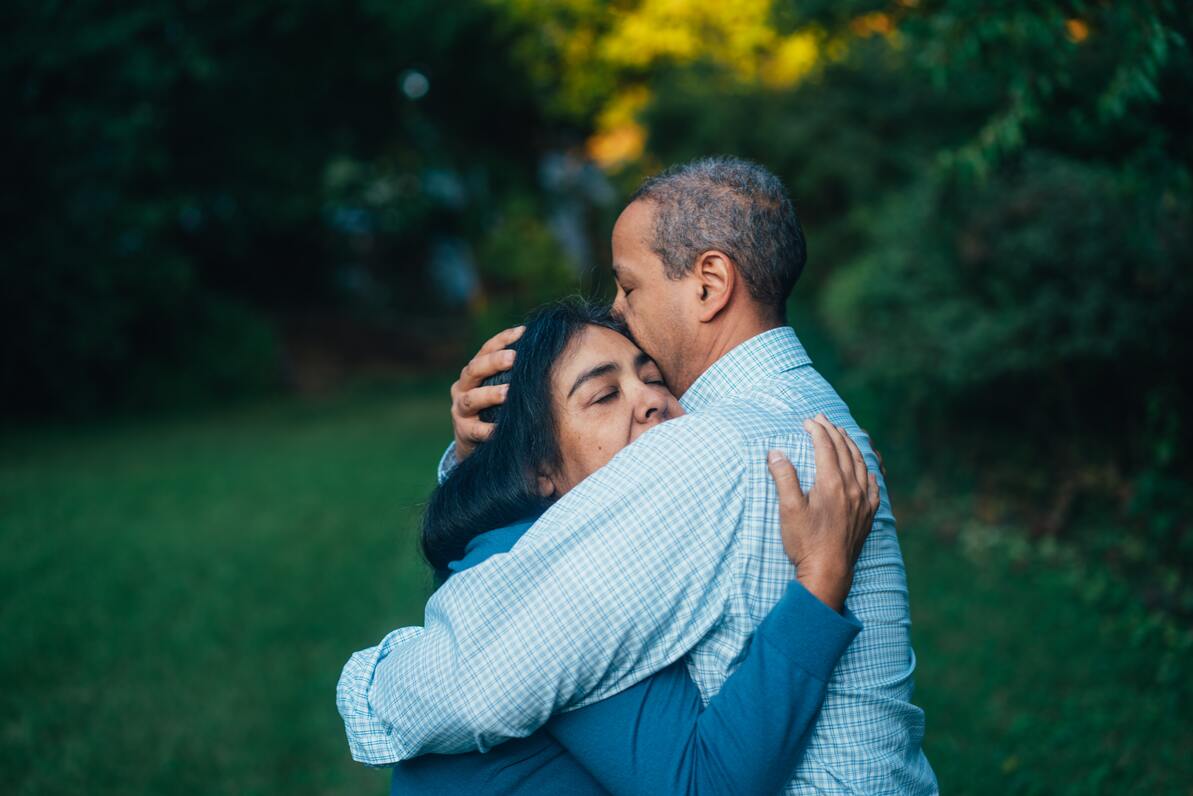
While the ups and downs of bipolar disorder can be detrimental to the person who struggles, they also have an impact on loved ones. If you’re close to someone with bipolar disorder, chances are you’ve stopped and asked yourself “What helps a bipolar person?”
There is no one-size-fits-all answer to that question. Bipolar disorder is a complex condition that affects everyone differently. However, there are some common traits shared among people with bipolar. If we focus on those, we can hone tactics to help a loved one overcome their symptoms.
What Helps a Bipolar Person’s Manic Episode?
A manic episode (sometimes referred to as mania or hypomania) is one characteristic of bipolar disorder. The person who struggles will experience high energy, excitement, and euphoria. ¹
These symptoms may result in atrocious demands, irresponsible decisions, careless antics, and outbursts. Naturally, it can be difficult to help someone in this state of mind, especially when their behavior negatively affects you.
However, there are ways to help ease a person’s mania while they’re in a episode. Some things to consider include:
- Avoid talking down to your loved one and using combative words
- Don’t take things personally
- When necessary, give them the space they need
- Ensure that they aren’t alone in their battle, provide company
- Step in to protect them from harm (i.e. financial harm)
- If agreed upon, take away certain possessions, such as a phone or passwords
- When you see positive behaviors, encourage it
- Call their doctor or psychiatrist when necessary
While your support may help to stabilize a manic episode, the most efficient way to keep energy levels low is through bipolar medication. For this reason, it’s important to remind your loved one if they’ve forgotten to take their medication during an episode.

What Helps a Bipolar Person’s Depressive Episode?
A bipolar depressive episode is the opposite from mania in the sense that energy levels are low. The person struggling will also experience: ²
- Eating too little or too much
- Feelings of sadness, anxiety, or emptiness
- Irregular sleep patterns
- Losing interest in activities they once enjoyed
- Trouble focusing or remembering
- Suicidal ideation
To help someone in a depressive state, it’s in your best interest to:
- Study depression and how it affects someone
- Recognize depression symptoms and start a conversation
- Help them find support
- Encourage treatment and going to therapy
- Take care of yourself in the process
- Offer to help in everyday activities
- Invite the person out of the house
- Keep in touch with your loved one
Recognize Signs of Suicide
When it comes to depressive episodes, one of the biggest risks a person faces is suicide. For this reason, it’s important to recognize the signs of suicide: ³
- Increased substance abuse
- Giving away prized possessions
- Online search history of suicide
- Reaching out to people to say goodbye
- Talking about depression, killing themselves
- Sleeping too much or too little
- Withdrawing from social activities
If you or your loved one has shown signs of suicide, there are several services available, including the 988 Suicide & Crisis Lifeline. If you or a loved one is in a life-threatening situation, it’s important to call emergency services immediately.

Other Ways to Help a Bipolar Person
Beyond the specifics of manic and depressive episodes, there are also other ways you can help someone with bipolar disorder:
- Learn About Bipolar Disorder – The more you know about bipolar disorder, the better chance you have to help a loved one and understand their struggles through their perspective.
- Encourage Treatment – The best way to help someone with bipolar disorder is by ensuring they get professional help. The sooner bipolar treatment begins, the better chance your loved one has at overcoming the condition.
- Be Patient – While bipolar treatment can be a rewarding process, there’s no denying you and your loved one will experience difficult times. To ensure they’re receiving the best support, you must follow along with the pace of recovery.
- Be Compassionate – One of the most difficult challenges with bipolar disorder is it feels like no one around you truly understands. By showing assistance and maintaining a sympathetic ear, your loved one is more likely to have the motivation to overcome this condition.
Research reveals people with bipolar are more likely to overcome the condition when they have the support of a loved one. ⁴
Final Word
While it’s not easy to overcome bipolar disorder, finding the right support system can make all the difference. You’re doing more than you can imagine by being there for your loved one and offering help in their journey.
One of the most important elements of bipolar is treatment, it’s important to continually encourage this while you provide your support.
References
¹ Jain A, Mitra P. Bipolar Disorder. 2023 Feb 20. In: StatPearls [Internet]. Treasure Island (FL): StatPearls Publishing; 2024 Jan–. PMID: 32644424.
² Chand SP, Arif H. Depression. 2023 Jul 17. In: StatPearls [Internet]. Treasure Island (FL): StatPearls Publishing; 2024 Jan–. PMID: 28613597.
³ Bader S, Abbes W, Tfifha M, Dhemaid M, Mahdhaoui W, Ghanmi L. Warning signs of suicide attempts and risk of suicidal recurrence. Eur Psychiatry. 2021 Aug 13;64(Suppl 1):S589. doi: 10.1192/j.eurpsy.2021.1571. PMCID: PMC9480028.
⁴ Miklowitz DJ. The Role of the Family in the Course and Treatment of Bipolar Disorder. Curr Dir Psychol Sci. 2007 Aug;16(4):192-196. doi: 10.1111/j.1467-8721.2007.00502.x. PMID: 18185847; PMCID: PMC2184903.




Leave a Reply