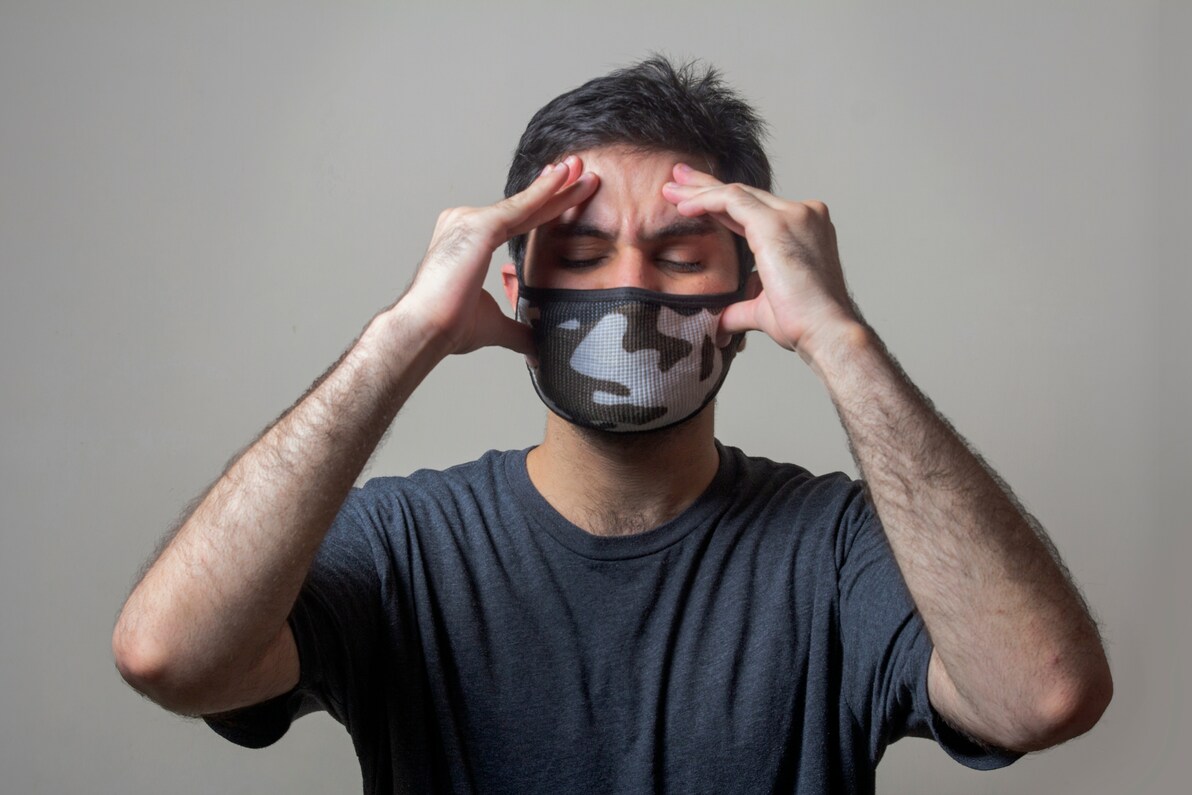
When it comes to anxiety and headaches, many wonder if stress and worry can actually cause physical pain. The simple answer is yes, anxiety can lead to head pain, dizziness, and other symptoms that feel just as real as any other illness.
Anxiety affects more than just your mood. It can cause fatigue, stomach pain, and yes, pressure in your head. Studies show that nearly half of people who get migraines also have anxiety.
In this article, we’ll break down how anxiety affects the body, why it can cause headaches and dizziness, and what you can do to find relief.
Key Highlights
- Anxiety and headaches are closely linked – Anxiety can trigger both tension headaches and migraines through factors like stress, muscle tension, and chemical imbalances in the brain.
- Prevention focuses on managing anxiety and lifestyle – Identifying headache triggers, practicing relaxation techniques, and maintaining good self-care habits can reduce headache frequency and severity.
- Treatment includes professional help and supplements – Addressing anxiety with therapy and medication, along with vitamins like B2, D, magnesium, and possibly CBD oil, may help alleviate anxiety-related head pressure.
Table of Contents
What are the Types of Anxiety Headaches?
If you live with anxiety, you may deal with two common types of headaches: migraines and tension headaches. These headaches can feel different and often need different treatments.
Migraines
Migraines are intense headaches that usually cause throbbing or pulsing pain on one side of the head or face. You may also notice: ¹
- Blurry vision
- Dizziness or lightheadedness
- Flashing lights or spots in your vision
- Nausea or vomiting
- Sensitivity to light, sound, or smells
- Tingling in your face, arms, or legs
Migraine attacks can last for hours or even days. Without treatment, they can make it hard to work, focus, or do everyday tasks.
Tension Headaches
Tension headaches are more common during high-stress periods. They tend to cause: ²
- A dull, steady ache
- A sore or sensitive scalp
- Pain behind the eyes
- Pressure in the head
- Tightness in the neck and shoulders
Tension headaches usually go away on their own, but they can stick around for a few days. While less severe than migraines, they can still affect your mood and energy.

Anxiety Headaches: Underlying Causes
Headaches are usually caused by changes in brain chemicals, nerve signals, or blood flow. ³ When anxiety is involved, certain factors can trigger these changes and lead to tension headaches or migraines.
Here are common causes linked to anxiety and headaches:
- Lack of Sleep – Anxiety often makes it hard to sleep. Poor sleep can lead to frequent headaches. ⁴
- Muscle Tension – Anxiety puts your body on high alert, which causes tight muscles. Over time, this tension may lead to head pain.
- Serotonin – People with anxiety often have lower levels of serotonin, a brain chemical that helps manage pain. When serotonin drops too low, it can trigger migraines. ⁵ ⁶
- Stress – Ongoing stress from anxiety is a major cause of both migraines and tension headaches. ⁷
While these factors helps explain how anxiety leads to headaches, they don’t address what causes anxiety itself. To manage your headaches long term, it can help to identify and treat the root cause of your anxiety.
How to Prevent Anxiety Headaches
Because anxiety and headaches are often linked, treating your anxiety type is one of the best ways to reduce head pain. Working with a mental health professional can help lower stress and make headaches less frequent or intense.
In the meantime, here are a few steps you can take to manage symptoms on your own:
1.) Know Your Triggers
Understanding what brings on your headaches gives you more control. Common triggers include:
- Alcohol or drug use
- Caffeine withdrawal
- Hormonal changes
- Poor sleep
- High stress levels
A therapist or doctor can help you track these triggers and come up with a plan to avoid them.
2.) Practice Relaxation
Stress is one of the biggest causes of anxiety and headaches. Building daily relaxation habits can help reduce both.
Try:
- Deep breathing
- Gentle yoga
- Guided imagery or calming music
- Meditation
Test different methods to see what helps you feel calm, then stick with on that works best.
3.) Focus on Self-Care
Anxiety often affects how you eat, sleep, and move through the day. Taking care of your body can reduce both anxiety and headaches.
Start with the basics:
- Drinking enough water
- Eat regular, balanced meals
- Ain for 7-9 hours of sleep per night
- Get at least 30 minutes of movement each day
If headaches continue even after making these changes, talk to your healthcare provider. You may need extra support to manage symptoms.

How to Get Rid of Anxiety Head Pressure
If you’re struggling with anxiety and head pressure, the most effective way to find relief is by addressing the anxiety itself. By managing the root cause, you can reduce the frequency and severity of headaches and pressure sensations.
Most people find relief through a combination of psychotherapy (like cognitive behavioral therapy) and medication (such as SSRIs or benzodiazepines). This helps you manage anxious thoughts while working through the triggers behind them. Some also turn to over-the-counter remedies or natural options for extra support.
If you’re specifically looking to ease head pressure and pain, a number of vitamins and supplements have shown promise:
Vitamin B2
Studies show that vitamin B2 may reduce inflammation and oxidative stress, two factors linked to migraines. ⁸
- A 2021 review found that 400mg daily for three months helped decrease both the severity and length of migraine episodes. ⁹
- It’s considered very safe and has no serious side effects for most people.
Vitamin D
There’s growing evidence linking vitamin D deficiency to both migraines and mood disorders, including anxiety. ¹⁰
- Vitamin D helps reduce inflammation in the brain. ¹¹
- A 2021 analysis revealed that five different studies showed reduced migraine frequency and severity with vitamin D supplementation. ¹²
However, the optimal dosage is still unclear, and more research is needed to confirm its effectiveness specifically for headaches caused by anxiety.
Magnesium
Magnesium plays a role in nerve and muscle function, and low levels are tied to both anxiety and headaches. ¹³ ¹⁴
- A large review showed that intravenous magnesium is effective for severe migraines, while oral supplements work better for mild to moderate pain. ¹⁵
- A 2021 study found that 500mg of magnesium oxide daily can reduce headaches with minimal side effects. ¹⁶
- That said, magnesium may cause digestive issues like diarrhea if taken in excess.
CBD Oil
Cannabidiol (CBD), a non-psychoactive compound found in cannabis, has become popular for anxiety and pain relief. ¹⁷
- A 2016 study found that medical cannabis reduced migraine frequency, but it wasn’t CBD-specific. ¹⁸
- Still, CBD is well-known for lowering anxiety and stress, which can indirectly reduce head pressure caused by anxiety. ¹⁹
More research is needed to fully understand how CBD affects migraines, but early findings are promising.
Final Word
So, can anxiety cause headaches and dizziness? Absolutely! And for many, these symptoms can be just as debilitating as the anxiety itself. Fortunately, there are effective ways to manage anxiety and headaches, from lifestyle changes to natural supplements and professional treatment.
While over-the-counter remedies like magnesium, vitamin B2, and CBD may help ease head pressure, the most sustainable path forward is treating the root cause: your anxiety. By addressing the emotional triggers and stressors behind these physical symptoms, you can reduce their impact and reclaim control over your well-being.
Frequently Asked Questions (FAQs)
How can I prevent anxiety headaches?
Preventing anxiety headaches involves managing anxiety through therapy or medication, identifying and avoiding headache triggers, practicing relaxation techniques, and maintaining good self-care such as proper hydration, sleep, and nutrition.
When should I see a doctor about my anxiety and headaches?
If your headaches are severe, frequent, or don’t improve with lifestyle changes and over-the-counter remedies, it’s important to consult a healthcare professional for proper diagnosis and treatment.
Can anxiety medication help reduce headaches?
Yes, medications used to treat anxiety, such as SSRIs or benzodiazepines, can also help reduce the frequency and severity of anxiety-related headaches by addressing the root cause.
Are anxiety headaches different from regular headaches?
Anxiety headaches often accompany other anxiety symptoms and may be triggered by stress or nervousness, but physically they can resemble tension headaches or migraines.
Can lifestyle changes alone effectively manage anxiety headaches?
For some people, lifestyle changes like improving sleep, hydration, nutrition, and relaxation techniques can significantly reduce anxiety headaches, but others may need professional treatment for best results.
References
¹ Pescador Ruschel MA, De Jesus O. Migraine Headache. 2024 Jul 5. In: StatPearls [Internet]. Treasure Island (FL): StatPearls Publishing; 2024 Jan–. PMID: 32809622.
² Ashina S, Mitsikostas DD, Lee MJ, Yamani N, Wang SJ, Messina R, Ashina H, Buse DC, Pozo-Rosich P, Jensen RH, Diener HC, Lipton RB. Tension-type headache. Nat Rev Dis Primers. 2021 Mar 25;7(1):24. doi: 10.1038/s41572-021-00257-2. PMID: 33767185.
³ Hoffmann J, Baca SM, Akerman S. Neurovascular mechanisms of migraine and cluster headache. J Cereb Blood Flow Metab. 2019 Apr;39(4):573-594. doi: 10.1177/0271678X17733655. Epub 2017 Sep 26. PMID: 28948863; PMCID: PMC6446418.
⁴ Fernández-de-Las-Peñas C, Fernández-Muñoz JJ, Palacios-Ceña M, Parás-Bravo P, Cigarán-Méndez M, Navarro-Pardo E. Sleep disturbances in tension-type headache and migraine. Ther Adv Neurol Disord. 2017 Dec 6;11:1756285617745444. doi: 10.1177/1756285617745444. PMID: 29399051; PMCID: PMC5784553.
⁵ Albert PR, Vahid-Ansari F, Luckhart C. Serotonin-prefrontal cortical circuitry in anxiety and depression phenotypes: pivotal role of pre- and post-synaptic 5-HT1A receptor expression. Front Behav Neurosci. 2014 Jun 6;8:199. doi: 10.3389/fnbeh.2014.00199. PMID: 24936175; PMCID: PMC4047678.
⁶ Hamel E. Serotonin and migraine: biology and clinical implications. Cephalalgia. 2007 Nov;27(11):1293-300. doi: 10.1111/j.1468-2982.2007.01476.x. PMID: 17970989.
⁷ Stubberud A, Buse DC, Kristoffersen ES, Linde M, Tronvik E. Is there a causal relationship between stress and migraine? Current evidence and implications for management. J Headache Pain. 2021 Dec 20;22(1):155. doi: 10.1186/s10194-021-01369-6. PMID: 34930118; PMCID: PMC8685490.
⁸ Marashly ET, Bohlega SA. Riboflavin Has Neuroprotective Potential: Focus on Parkinson’s Disease and Migraine. Front Neurol. 2017 Jul 20;8:333. doi: 10.3389/fneur.2017.00333. PMID: 28775706; PMCID: PMC5517396.
⁹ Chen YS, Lee HF, Tsai CH, Hsu YY, Fang CJ, Chen CJ, Hung YH, Hu FW. Effect of Vitamin B2 supplementation on migraine prophylaxis: a systematic review and meta-analysis. Nutr Neurosci. 2022 Sep;25(9):1801-1812. doi: 10.1080/1028415X.2021.1904542. Epub 2021 Mar 29. PMID: 33779525.
¹⁰ Ghorbani Z, Togha M, Rafiee P, Ahmadi ZS, Rasekh Magham R, Haghighi S, Razeghi Jahromi S, Mahmoudi M. Vitamin D in migraine headache: a comprehensive review on literature. Neurol Sci. 2019 Dec;40(12):2459-2477. doi: 10.1007/s10072-019-04021-z. Epub 2019 Aug 3. PMID: 31377873.
¹¹ Nowaczewska M, Wiciński M, Osiński S, Kaźmierczak H. The Role of Vitamin D in Primary Headache-from Potential Mechanism to Treatment. Nutrients. 2020 Jan 17;12(1):243. doi: 10.3390/nu12010243. PMID: 31963460; PMCID: PMC7019347.
¹² Zhang YF, Xu ZQ, Zhou HJ, Liu YZ, Jiang XJ. The Efficacy of Vitamin D Supplementation for Migraine: A Meta-Analysis of Randomized Controlled Studies. Clin Neuropharmacol. 2021 Jan-Feb 01;44(1):5-8. doi: 10.1097/WNF.0000000000000419. PMID: 33449474.
¹³ Maier JA, Pickering G, Giacomoni E, Cazzaniga A, Pellegrino P. Headaches and Magnesium: Mechanisms, Bioavailability, Therapeutic Efficacy and Potential Advantage of Magnesium Pidolate. Nutrients. 2020 Aug 31;12(9):2660. doi: 10.3390/nu12092660. PMID: 32878232; PMCID: PMC7551876.
¹⁴ Botturi A, Ciappolino V, Delvecchio G, Boscutti A, Viscardi B, Brambilla P. The Role and the Effect of Magnesium in Mental Disorders: A Systematic Review. Nutrients. 2020 Jun 3;12(6):1661. doi: 10.3390/nu12061661. PMID: 32503201; PMCID: PMC7352515.
¹⁵ Chiu HY, Yeh TH, Huang YC, Chen PY. Effects of Intravenous and Oral Magnesium on Reducing Migraine: A Meta-analysis of Randomized Controlled Trials. Pain Physician. 2016 Jan;19(1):E97-112. PMID: 26752497.
¹⁶ Karimi N, Razian A, Heidari M. The efficacy of magnesium oxide and sodium valproate in prevention of migraine headache: a randomized, controlled, double-blind, crossover study. Acta Neurol Belg. 2021 Feb;121(1):167-173. doi: 10.1007/s13760-019-01101-x. Epub 2019 Feb 23. PMID: 30798472.
¹⁷ Argueta DA, Ventura CM, Kiven S, Sagi V, Gupta K. A Balanced Approach for Cannabidiol Use in Chronic Pain. Front Pharmacol. 2020 Apr 30;11:561. doi: 10.3389/fphar.2020.00561. PMID: 32425793; PMCID: PMC7204604.
¹⁸ Rhyne DN, Anderson SL, Gedde M, Borgelt LM. Effects of Medical Marijuana on Migraine Headache Frequency in an Adult Population. Pharmacotherapy. 2016 May;36(5):505-10. doi: 10.1002/phar.1673. Epub 2016 Jan 9. PMID: 26749285.
¹⁹ Wright M, Di Ciano P, Brands B. Use of Cannabidiol for the Treatment of Anxiety: A Short Synthesis of Pre-Clinical and Clinical Evidence. Cannabis Cannabinoid Res. 2020 Sep 2;5(3):191-196. doi: 10.1089/can.2019.0052. PMID: 32923656; PMCID: PMC7480724.




Leave a Reply