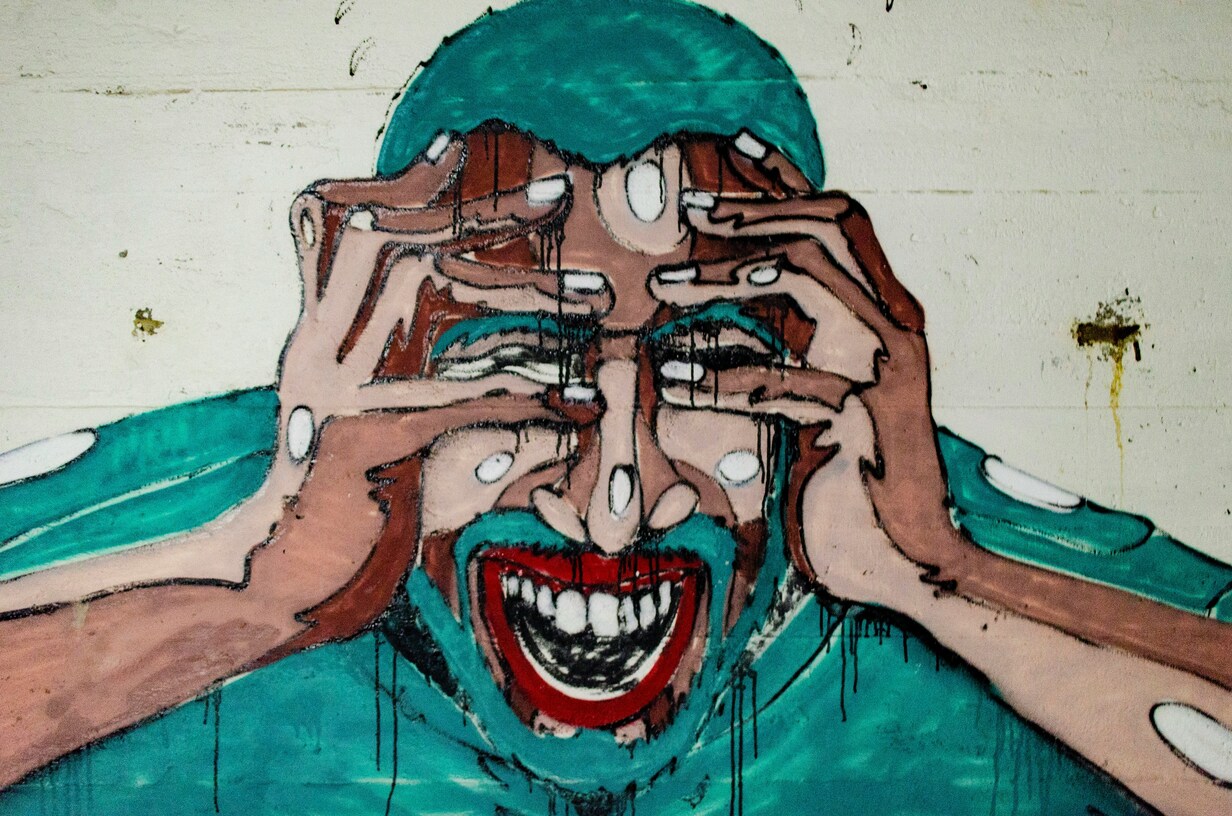
A panic attack vs. anxiety attack, the two terms get used interchangeably all the time, but they’re not the same thing.
While “anxiety attack” is a common phrase, it’s not an official clinical diagnosis. Panic attacks, on the other hand, are a recognized clinical event with a specific set of diagnostic criteria. Panic attacks tend to strike suddenly and peak within minutes, while anxiety builds gradually and is often tied to a specific stressor.
Both can feel overwhelming in the moment, but knowing which one you’re experiencing makes a real difference when it comes to finding the right support and coping strategies. We’ll break down both in detail below.
Key Highlights
- Panic attacks and anxiety attacks are not the same thing – panic attacks strike suddenly, peak within minutes, and are clinically recognized, while “anxiety attack” is an informal term used to describe the acute symptoms of an underlying anxiety disorder.
- The symptoms overlap, but intensity and duration set them apart – panic attacks are more intense and short-lived, while anxiety builds gradually, is usually tied to a specific trigger, and can persist for much longer.
- Both conditions are treatable – a combination of medication, cognitive behavioral therapy (CBT), and coping techniques like breathing exercises can make both panic and anxiety attacks more manageable over time.
Table of Contents
My Personal Experience with Anxiety Attacks
The first time I had an anxiety attack, I thought I was having a seizure.
I was young, freshly moved to San Francisco for college, and within my first week, the weight of sudden isolation hit me harder than I expected. I was surrounded by new people, but everyone I had ever known was thousands of miles away. In the middle of hanging out with those strangers, something overwhelmed me, and I fainted. When I came to (embarrassed and confused), I had no framework for what had just happened.
For me, the defining physical symptom of an anxiety attack has always been lightheadedness. Over time, it became my signal. When the dizziness starts, I know anxiety is coming. The challenge is that knowing doesn’t make it easy. Every instinct tells you to fight it, to resist it, to make it stop.
For years, I fought it. And for years, it got worse.

The shift came gradually. There was no single breakthrough moment, just a slow, hard-won realization that resisting anxiety only fed it. I made a conscious decision to stop fighting and start riding it out instead. To breathe slowly, remind myself that discomfort is temporary, and let the wave pass on its own terms. More often than not, the reality of the attack was never as catastrophic as my mind made it out to be.
I haven’t cured my anxiety, and I’ve accepted I probably never will. But panic attacks are no longer a major part of my life. When anxiety shows up now, I usually see it coming. Years of living with it have made me fluent in my own triggers. It’s still uncomfortable. It’s just no longer unmanageable.
What is a Panic Attack?
A panic attack is defined by the DSM as “an abrupt surge of intense fear or discomfort” that reaches a peak within minutes. ¹
It comes with both mental and physical symptoms (things like a racing heart, dizziness, shortness of breath, and an overwhelming sense of dread). Symptoms are typically at their worst within ten minutes of onset and can last around 30 minutes, though they can vary anywhere from seconds to hours.
One key characteristic of panic attacks is that they’re often unexpected. There’s no clear trigger, which is a big part of what makes them so unsettling.
What is an Anxiety Attack?
An anxiety attack, on the other hand, isn’t an official clinical diagnosis. Instead, it’s a term commonly used to describe the acute symptoms of an anxiety disorder.
In other words, what you experience during an “anxiety attack” is really an intensification of whatever underlying anxiety disorder you’re dealing with. If you struggle with a social anxiety disorder, for example, you’ll likely only feel those symptoms in social settings. The trigger is tied directly to your condition.
That said, this distinction isn’t meant to minimize what anxiety attacks feel like. They’re just as disruptive as panic attacks and can become habitual over time, almost always wired to a specific trigger. Recognizing that pattern, though, is actually useful; it means you can start to anticipate and manage them.
Clinical Differences in Panic Attack vs Anxiety Attack
When distinguishing between a panic attack vs. anxiety attack, medical professionals focus primarily on two factors: intensity and duration.
The general rule is straightforward: panic attacks are intense but short-lived, while anxiety disorders involve milder to moderate symptoms that persist over a much longer period. Here’s a breakdown of how the two compare:
| Panic Attack | Anxiety Disorder |
| Sudden and immediate symptoms | Slowly builds up |
| Last from minutes to hours | Lasts for months to years |
| Shaking (trembling) | Restlessness |
| Chest pain | Fatigue |
| Hot flashes | Muscle tension |
| Sense of detachment | Irritability |
Specific Clinical Differences of a Panic Attack
Panic attacks can be trickier to diagnose than an anxiety disorder. In most cases, they’re a direct symptom of panic disorder, though they can also occur alongside other psychiatric conditions. And in some cases, a person may experience panic attacks with no diagnosable disorder at all. ²
When diagnosing a panic attack, clinicians look for four or more symptoms peaking within minutes, with three of the most clinically significant being:
- Fear of losing control or dying
- Depersonalization (a sense of detachment from oneself)
- Derealization (a sense of detachment from one’s surroundings)
Specific Clinical Differences of an Anxiety Attack
As mentioned earlier, “anxiety attack” isn’t something a mental health professional can formally diagnose. It doesn’t appear in the Diagnostic and Statistical Manual of Mental Disorders, 5th Edition (DSM-5). ³
Instead, if a doctor determines that you’re experiencing what feels like anxiety attacks, they’ll likely diagnose you with one of the following: ⁴
- An anxiety disorder
- Obsessive-compulsive disorder (OCD)
- Post-traumatic stress disorder (PTSD)
- Stress-related disorder
What separates these from panic disorder is the absence of extreme fear and detachment. Symptoms tend to stay in the mild to moderate range with persistent worry, tension, and unease rather than the acute, overwhelming dread of a panic attack.

Panic Attack vs Anxiety Attack: What’s the Difference?
To further understand the difference between a panic and anxiety attack, it helps to look at what each one actually feels like and how the symptoms play out in the body and mind.
Panic Attack Symptoms
A panic attack is a sudden, intense wave of fear or terror that hits hard and fast. Attacks typically peak within ten minutes or less, though multiple attacks of varying intensity can occur over several hours, making it feel like one rolls into the next. The symptoms are hard to ignore:
- Abdominal distress
- Chest pain
- Chills
- Depersonalization (detachment from oneself)
- Derealization (feelings of unreality)
- Dizziness (lightheadedness and fainting)
- Excessive sweating
- Fear of dying
- Feeling of choking
- Heart palpitations (or pounding heart)
- Hot flashes
- Loss of control
- Nausea
- Numbness (tingling sensations)
- Shortness of breath (difficulty breathing)
- Trembling or shaking
While panic attacks can sometimes be expected (particularly if you have a known phobia like social anxiety disorder), they often appear without warning. Once an attack passes, the physical symptoms typically resolve with time, but the fear of experiencing another one can linger and fuel ongoing anxiety. You may feel on edge, stressed, or emotionally drained for the rest of the day.
Anxiety Attack Symptoms
An anxiety attack works differently. Rather than striking suddenly, it builds gradually, often tied to an identifiable trigger like prolonged stress or trauma. ⁵ When symptoms accumulate to the point of feeling overwhelming, it can feel like an “attack,” even though that term isn’t used clinically.
The most common symptoms of an anxiety disorder include:
- Difficulty concentrating
- Disturbed sleep
- Dizziness
- Easily startled
- Fatigue
- Increased heart rate
- Irritability
- Muscle tension
- Restlessness
You’ll notice some overlap with panic attack symptoms; that’s exactly why the two are so frequently confused. The clearest way to tell them apart is by intensity and duration. Panic attacks are intense and short-lived. Anxiety builds slowly and tends to stick around.
How to Treat Anxiety and Panic Attacks
Both panic attacks and anxiety disorders are treatable, and most people see real improvement with the right plan in place. Treatment typically involves some combination of the following: ⁶
- Medication – Doctors often recommend starting with a selective serotonin reuptake inhibitor (SSRI), which can ease symptoms and make attacks more manageable. Medication is especially useful in the early stages while you work on longer-term strategies.
- Psychotherapy – Cognitive behavioral therapy (CBT) is considered the gold standard for talk therapy, teaching you to react differently to the physical sensations of anxiety and fear so that attacks become less frequent over time.
- Coping Techniques – Breathing exercises, meditation, and muscle relaxation techniques can help prevent attacks when practiced regularly, while grounding techniques can help you stay present and manage symptoms during an attack.
Some people also find relief through over-the-counter medicines and holistic measures (things like chamomile, yoga, and regular exercise). While these alone can’t replace clinical treatment, everyday habits can meaningfully support your overall progress.

Final Word
Understanding the difference between a panic attack vs. anxiety attack is more than a matter of terminology. It’s the first step toward getting the right help. When you can identify what you’re actually experiencing, you’re in a much better position to find a treatment plan that directly addresses your needs.
If any of the symptoms or experiences described in this article sound familiar, don’t hesitate to reach out to a mental health professional. You don’t have to figure this out alone, and with the right support, both conditions are manageable.
Frequently Asked Questions (FAQs)
What is the main difference between a panic attack and an anxiety attack?
The biggest difference comes down to onset and intensity. Panic attacks strike suddenly and without warning, while anxiety attacks build gradually and are usually tied to a specific stressor. Panic attacks are also clinically recognized, while “anxiety attack” is not an official diagnosis.
Can you have both a panic attack and an anxiety attack at the same time?
Yes, and it’s more common than you might think. A person might feel anxious about a situation, like walking into a crowded room, and then experience a panic attack on top of that anxiety because their brain perceives the situation as threatening. In those cases, anxiety sets the stage, and panic becomes the acute response.
How do I know if I’m having a panic attack or an anxiety attack?
Pay attention to how it starts. Panic attacks typically peak within minutes and can strike without an obvious cause, while anxiety attacks are usually linked to a specific future event or ongoing stressor and build up over time. If it hits you suddenly and hard, it’s likely a panic attack. If it crept up on you, it’s more likely anxiety.
Can a panic attack or anxiety attack be mistaken for something else?
Absolutely. The physical symptoms of a panic attack (chest pain, rapid heartbeat, shortness of breath) can closely mimic those of a heart attack, which is why doctors will often run tests to rule out other conditions before making a diagnosis. This is one reason it’s important to seek professional evaluation rather than self-diagnosing.
References
¹ Manjunatha N, Ram D. Panic disorder in general medical practice- A narrative review. J Family Med Prim Care. 2022 Mar;11(3):861-869. doi: 10.4103/jfmpc.jfmpc_888_21. Epub 2022 Mar 10. PMID: 35495823; PMCID: PMC9051703.
² Cackovic C, Nazir S, Marwaha R. Panic Disorder. 2023 Aug 6. In: StatPearls [Internet]. Treasure Island (FL): StatPearls Publishing; 2024 Jan–. PMID: 28613692.
³ Substance Abuse and Mental Health Services Administration. Impact of the DSM-IV to DSM-5 Changes on the National Survey on Drug Use and Health [Internet]. Rockville (MD): Substance Abuse and Mental Health Services Administration (US); 2016 Jun. Table 3.15, DSM-IV to DSM-5 Generalized Anxiety Disorder Comparison. Available from: https://www.ncbi.nlm.nih.gov/books/NBK519704/table/ch3.t15/
⁴ Ströhle A, Gensichen J, Domschke K. The Diagnosis and Treatment of Anxiety Disorders. Dtsch Arztebl Int. 2018 Sep 14;155(37):611-620. doi: 10.3238/arztebl.2018.0611. PMID: 30282583; PMCID: PMC6206399.
⁵ Szuhany KL, Simon NM. Anxiety Disorders: A Review. JAMA. 2022 Dec 27;328(24):2431-2445. doi: 10.1001/jama.2022.22744. PMID: 36573969.
⁶ Bandelow B, Michaelis S, Wedekind D. Treatment of anxiety disorders. Dialogues Clin Neurosci. 2017 Jun;19(2):93-107. doi: 10.31887/DCNS.2017.19.2/bbandelow. PMID: 28867934; PMCID: PMC5573566.




Leave a Reply