Post-Traumatic Stress Disorder (PTSD)
-

Is PTSD Overdiagnosed?
Since the 1980s, there has been a rise in post-traumatic stress disorder (PTSD) diagnoses. Some argue this is a result of society recognizing the seriousness of trauma. Other clinicians are concerned we’re overdoing it. But is PTSD overdiagnosed? It’s estimated that 60 of every 100 men (60%) and 5 of every 10 women (50%) experience…
-
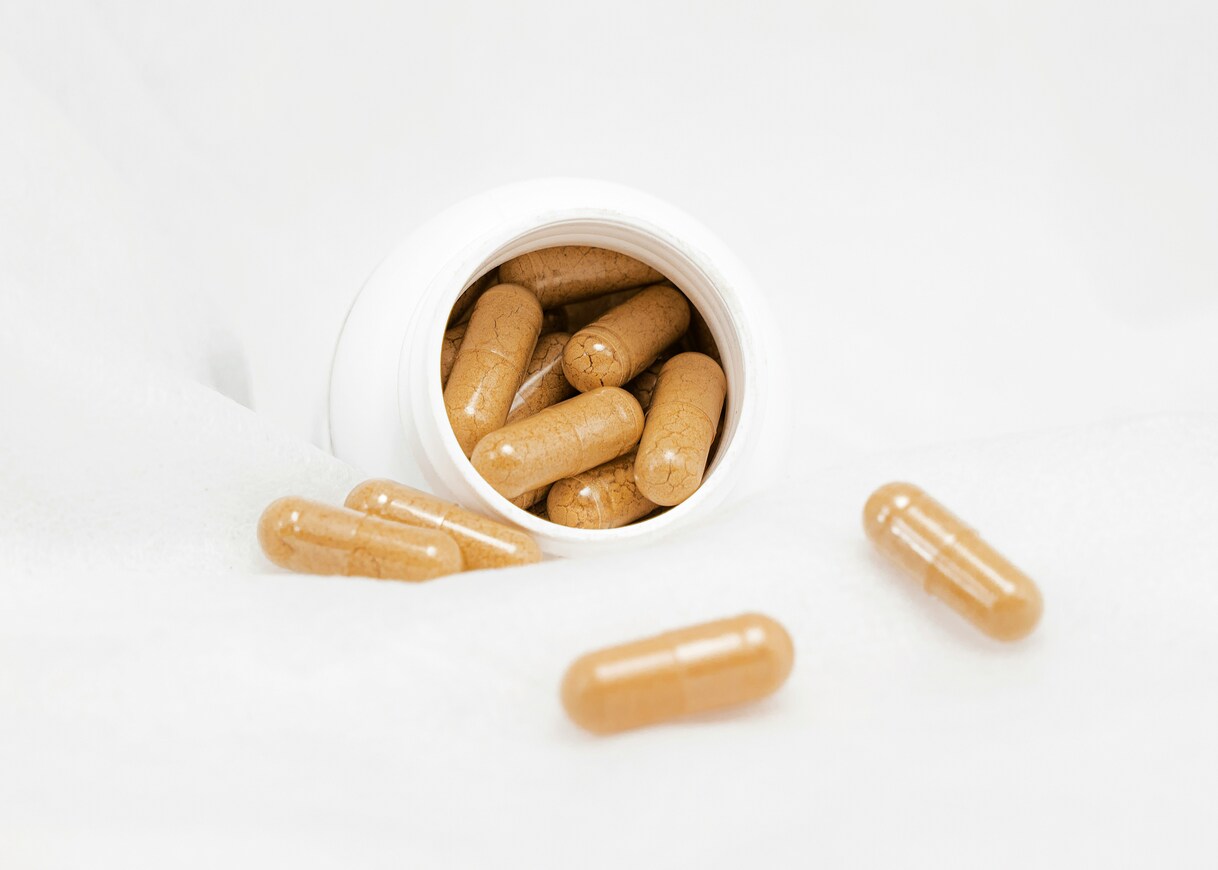
5 Best Holistic Treatments and Natural Supplements for PTSD
Traditional medication can be addictive and harmful if used improperly. For these reasons, many are turning to holistic treatments for PTSD.
-

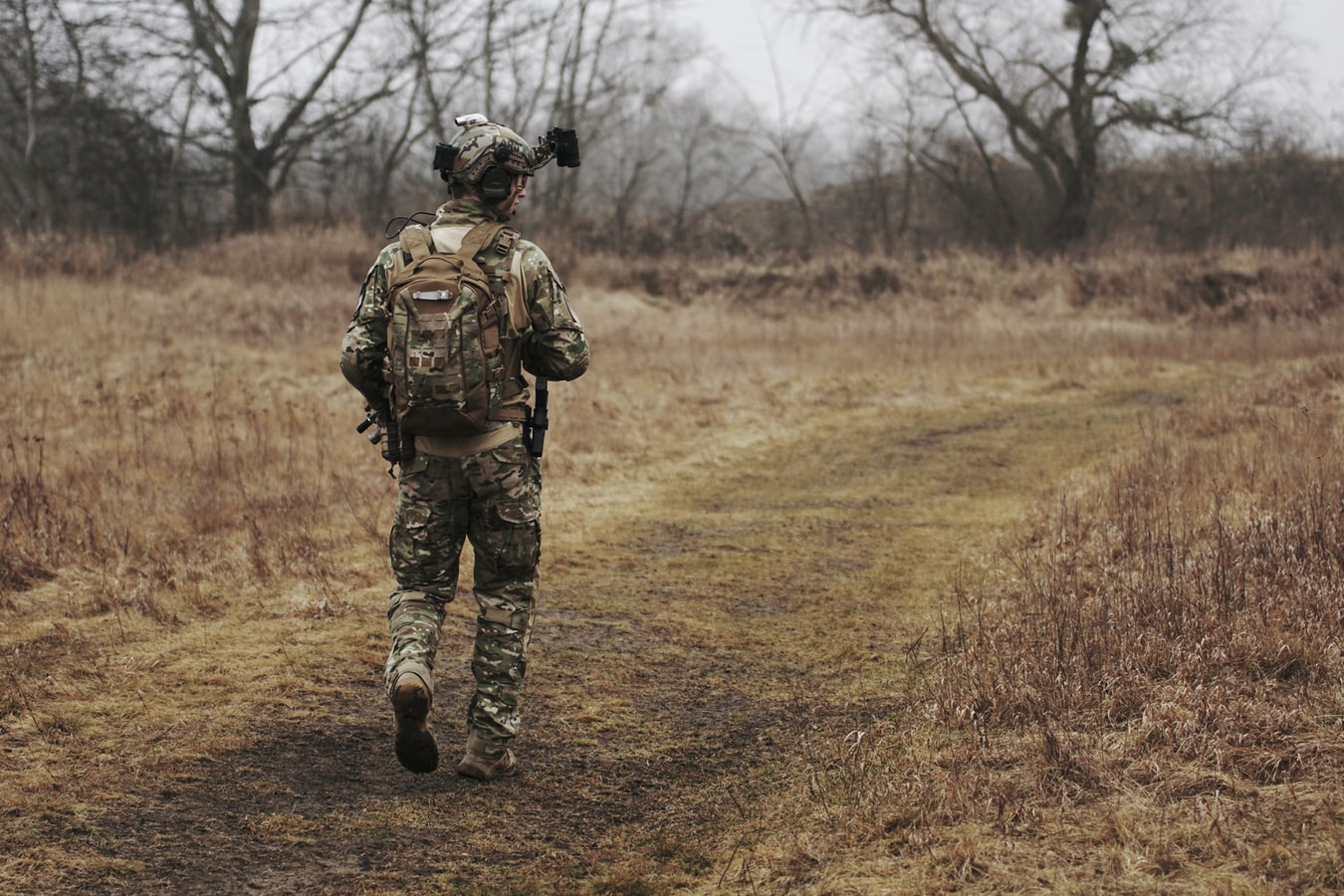
What is Military PTSD?
People in the military may experience an event that leads to mental health symptoms. What is military PTSD and how does it affect those who live with it?
-
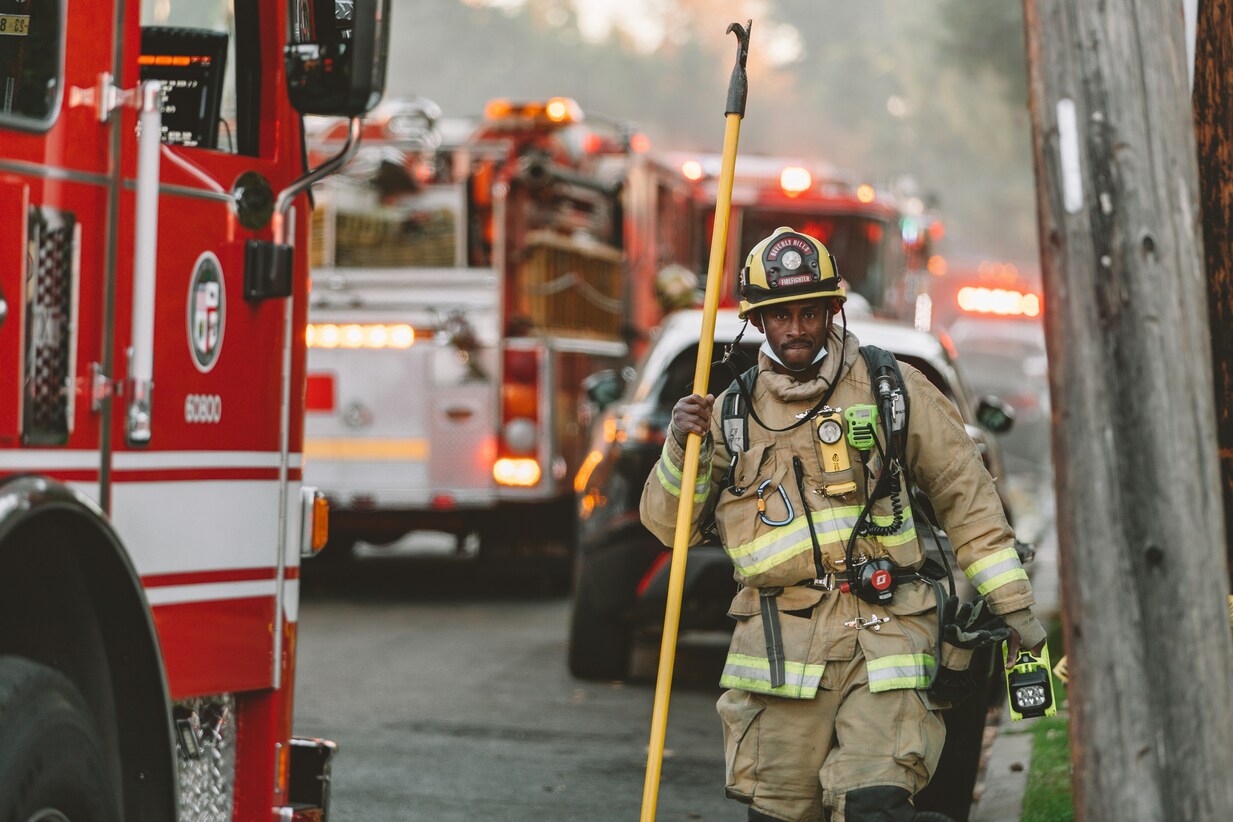
What is Acute Stress Disorder?
Acute stress disorder develops after a traumatic event and causes you to become dysfunctional with your surroundings and situations.
-
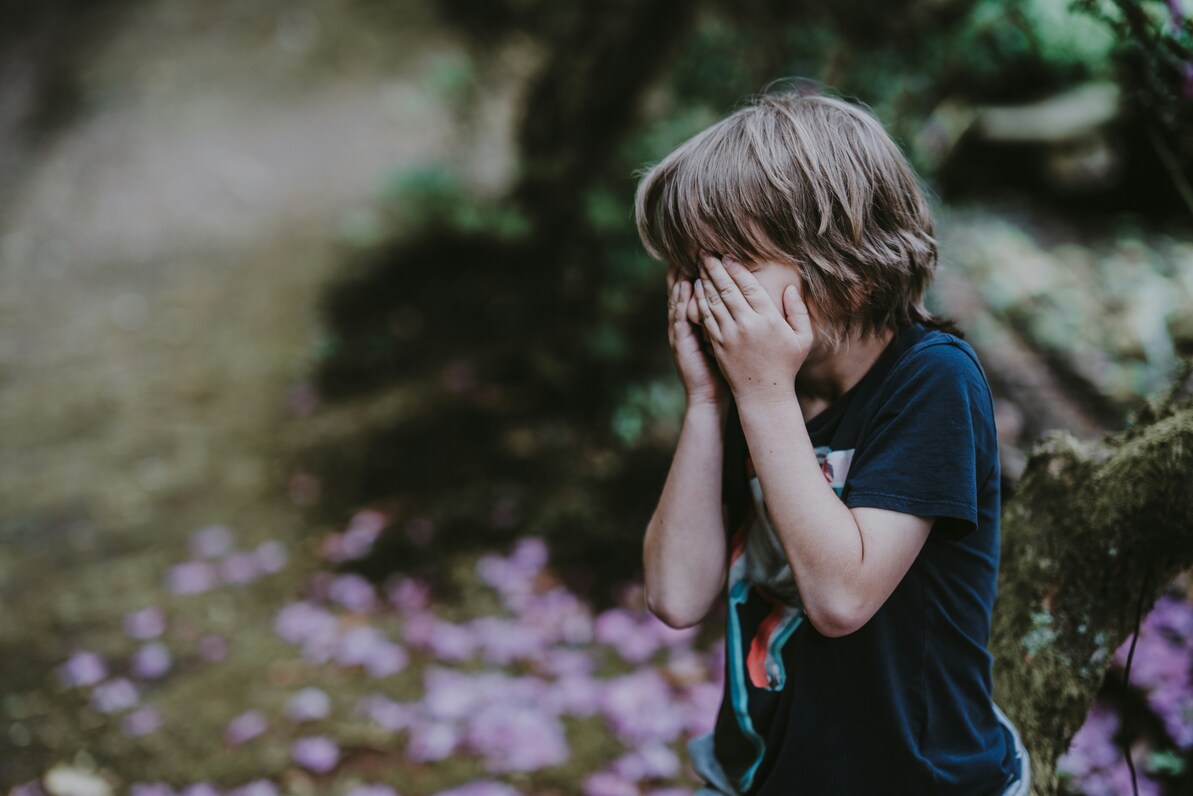
What Causes PTSD in a Child?
When a child experiences a traumatic event, they may also develop post-traumatic stress disorder (PTSD). Here’s what you need to do.
-

What Are the Types of Trauma?
There are so many different types of trauma, no two people experience it the same. With that, unique treatment paths are also necessary.
-
How Does PTSD Change the Brain?
PTSD can cause physical alterations to your brain, leaving the goal of treatment to revert these amenable changes.
-

How to Overcome PTSD: 5 Coping Strategies
PTSD can be a difficult disorder to manage. Luckily, there are coping mechanisms to help mitigate the anxiety and stress.
-

The Five Responses to Trauma
We don’t just experience trauma. Our brains are designed to have varying responses to trauma, such as flight or fight.
-
What is Complex PTSD?
When you experience trauma over the course of a long period, especially during childhood, you may develop complex PTSD.