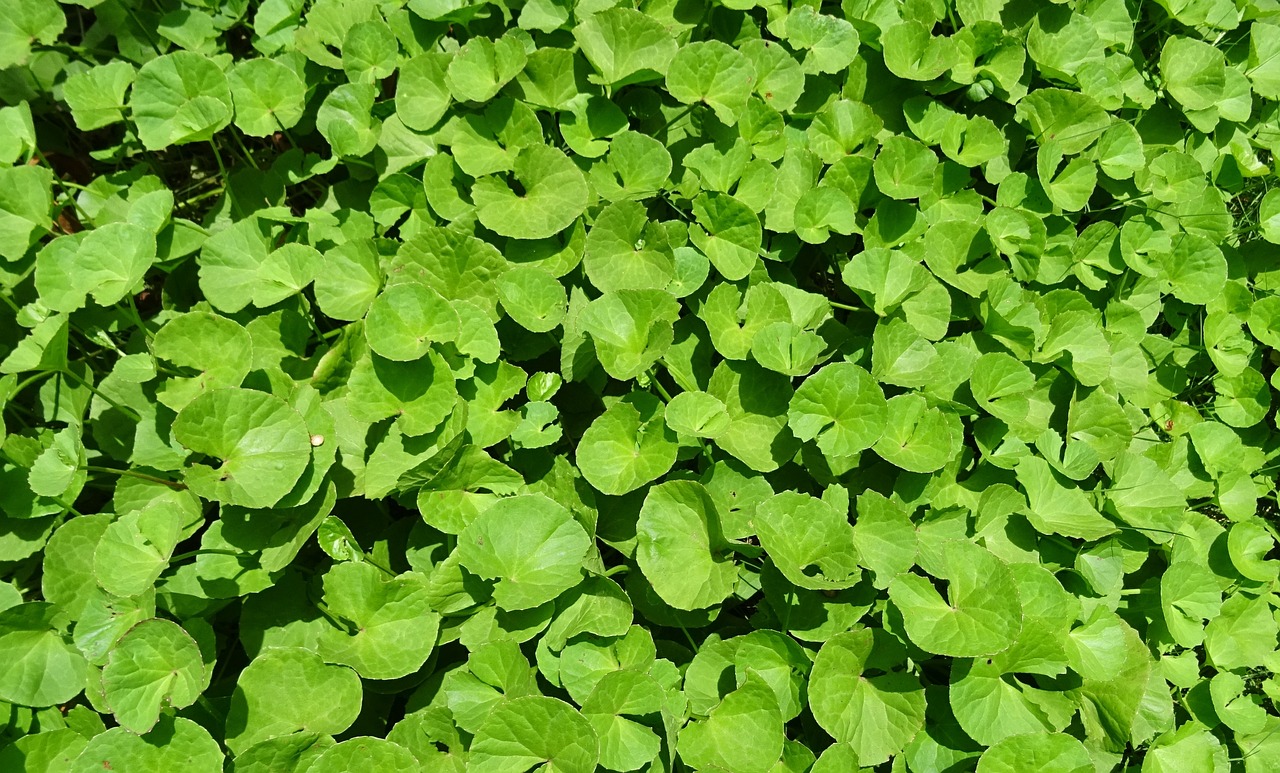
Gotu kola for ADHD is a popular natural approach for supporting focus, since one of the biggest struggles with attention-deficit/hyperactivity disorder (ADHD) is mental clarity.
Evidence on gotu kola alone is limited. Most positive results come from studies combining it with herbs like bacopa, lemon balm, and ashwagandha. It shows promise as part of a broader approach, but isn’t a proven standalone treatment, so it’s worth checking with a doctor first, especially since it can interact with certain medications.
Key Highlights
- Limited standalone evidence – Most research on gotu kola for ADHD comes from studies combining it with other herbs like bacopa, lemon balm, and ashwagandha, so its individual effect on ADHD symptoms remains unproven.
- Potential cognitive benefits – Gotu kola may support brain function by promoting healthy blood flow, which some research links to improved attention, focus, and mental clarity.
- Dosage and safety matter – A common dose is around 750mg daily, but gotu kola isn’t FDA-regulated, can affect the liver with prolonged use, and should be discussed with a doctor first, especially for children.
Table of Contents
What is Gotu Kola?
For thousands of years, gotu kola (Centella asiatica) has been used to treat various health conditions including: ¹
- Ashtma
- Diarrhea
- Epilepsy
- Fever
- Hepatitis
- Mental fatigue
- Skin conditions (i.e. leprosy)
- Stomach ulcers
- Syphilis
- Wounds
While it’s been historically incorporated in India, China, and Indonesia, gotu kola has found a following in Western civilization. This is thanks to the plant’s versatile effects on the brain and body.
How Does Gotu Kola Effect the Mind and Body?
There are two elements of gotu kola that give it its healing properties:
- Blood Flow – It may prevent blood vessels from losing elasticity, reducing swelling in various regions of the body. ²
- Triterpenoids – A chemical found in gotu kola that strengthens skin, boosts antioxidants, and increases blood supply. ³
Naturally, these applications are most suitable for physical ailments. However, more research suggests that inhibited blood flow can be a direct cause of mental health conditions. More specifically, imbalances in the central nervous system (CNS) may lead to the development of disorders, such as anxiety, depression, and schizophrenia. ⁴
Gotu Kola for ADHD: Does it Work?
Since blood flow is essential for brain function, some suggest gotu kola can be used to improve memory and focus. ⁵ Most research looks into this specifically.
In a 2022 review, researchers found that when taken over the span of four months, gotu kola helped improve the following in children with ADHD: ⁶
- Attention
- Cognition
- Focus
- Impulse control
However, it’s important to note these researchers combined other herbal remedies for ADHD, such as lemon balm, bacopa, and ashwagandha.
An older study found that gotu kola reduces anxiety levels and leads to better brain clarity. However, it’s important to note this was performed on healthy subjects rather than people with ADHD. ⁷

Gotu Kola Dosage Recommendation
Since gotu kola isn’t observed by the Food & Drug Administration (FDA), there are no standards when it comes to dosage. Most products available will have a suggested dose. We recommend following this to garner the maxim effects.
If you’re taking gotu kola for ADHD, you’ll want to take around 750mg daily. A 2016 study found that this dosage range was most effective at improving mental clarity. ⁸
Still, it’s important to note that the study was performed on elders struggling with cognitive impairment after a stroke. NOT children with ADHD. If you want to try gotu kola for your child, you’ll need to consult their healthcare provider beforehand.
Gotu Kola Safety and Side Effects
Gotu kola is relatively safe to take, with few reporting side effects. However, you may experience the following with high doses:
- Burning sensations and skin allergy (with external use)
- Dizziness
- Drowsiness
- Headache
- Nausea
- Stomach upset
Furthermore, gotu kola may be harmful to the liver. You shouldn’t take gotu kola for more than 6 weeks at a time, ensuring a 2-week break in between. If you struggle with liver disease, you should NOT take gotu kola.
Final Word
Since gotu kola may increase blood flow to the brain, it may relieve ADHD symptoms. Still, more research is necessary to understand the properties of this herb in relation to ADHD. While an increase in blood flow can help cognition, we still cannot confirm gotu kola’s efficiency.
Frequently Asked Questions (FAQs)
Can I take gotu kola with ADHD medication like Adderall?
Possibly, but check with your doctor first. Gotu kola can strain the liver and may interact with other medications, so combining it with a stimulant should only be done under medical supervision, not as a self-directed swap.
Does gotu kola work for adult ADHD, or just kids?
Most ADHD-specific research has focused on children, often using gotu kola in herbal blends. There’s limited direct evidence for adults, though some studies suggest general cognitive and anxiety-reducing benefits across age groups.
How long does it take for gotu kola to work?
Unlike stimulant medications, which act within an hour, gotu kola’s effects build gradually. Most studies measuring cognitive benefits used consistent daily use over several weeks to months before seeing results.
What’s the best form of gotu kola to take (tea, capsule, or tincture)?
Capsules offer the most consistent, measurable dosing, which matters since gotu kola isn’t FDA-regulated. Teas and tinctures are options too, but potency can vary more between products.
Is gotu kola the same as ginkgo biloba?
No. Both are marketed for brain health, but they’re different plants with different mechanisms. Gotu kola is linked to blood flow and cell repair, while ginkgo is more studied for circulation and memory in aging adults.
References
¹ Chandrika UG, Prasad Kumarab PA. Gotu Kola (Centella asiatica): Nutritional Properties and Plausible Health Benefits. Adv Food Nutr Res. 2015;76:125-57. doi: 10.1016/bs.afnr.2015.08.001. Epub 2015 Oct 1. PMID: 26602573.
² Chong NJ, Aziz Z. A Systematic Review of the Efficacy of Centella asiatica for Improvement of the Signs and Symptoms of Chronic Venous Insufficiency. Evid Based Complement Alternat Med. 2013;2013:627182. doi: 10.1155/2013/627182. Epub 2013 Feb 21. PMID: 23533507; PMCID: PMC3594936.
³ Sun B, Wu L, Wu Y, Zhang C, Qin L, Hayashi M, Kudo M, Gao M, Liu T. Therapeutic Potential of Centella asiatica and Its Triterpenes: A Review. Front Pharmacol. 2020 Sep 4;11:568032. doi: 10.3389/fphar.2020.568032. PMID: 33013406; PMCID: PMC7498642.
⁴ Baruah J, Vasudevan A. The Vessels Shaping Mental Health or Illness. Open Neurol J. 2019;13:1-9. doi: 10.2174/1874205X01913010001. Epub 2019 Feb 15. PMID: 30984305; PMCID: PMC6460472.
⁵ Phoemsapthawee J, Ammawat W, Prasertsri P, Sathalalai P, Leelayuwat N. Does Gotu kola supplementation improve cognitive function, inflammation, and oxidative stress more than multicomponent exercise alone? – a randomized controlled study. J Exerc Rehabil. 2022 Oct 26;18(5):330-342. doi: 10.12965/jer.2244388.194. PMID: 36420467; PMCID: PMC9650315.
⁶ Dutta T, Anand U, Mitra SS, Ghorai M, Jha NK, Shaikh NK, Shekhawat MS, Pandey DK, Proćków J, Dey A. Phytotherapy for Attention Deficit Hyperactivity Disorder (ADHD): A Systematic Review and Meta-analysis. Front Pharmacol. 2022 May 3;13:827411. doi: 10.3389/fphar.2022.827411. Erratum in: Front Pharmacol. 2024 Mar 14;15:1365806. doi: 10.3389/fphar.2024.1365806. PMID: 35592415; PMCID: PMC9110892.
⁷ Bradwejn J, Zhou Y, Koszycki D, Shlik J. A double-blind, placebo-controlled study on the effects of Gotu Kola (Centella asiatica) on acoustic startle response in healthy subjects. J Clin Psychopharmacol. 2000 Dec;20(6):680-4. doi: 10.1097/00004714-200012000-00015. PMID: 11106141.
⁸ Farhana KM, Malueka RG, Wibowo S, Gofir A. Effectiveness of Gotu Kola Extract 750 mg and 1000 mg Compared with Folic Acid 3 mg in Improving Vascular Cognitive Impairment after Stroke. Evid Based Complement Alternat Med. 2016;2016:2795915. doi: 10.1155/2016/2795915. Epub 2016 Jun 1. PMID: 27340413; PMCID: PMC4908235.




Leave a Reply