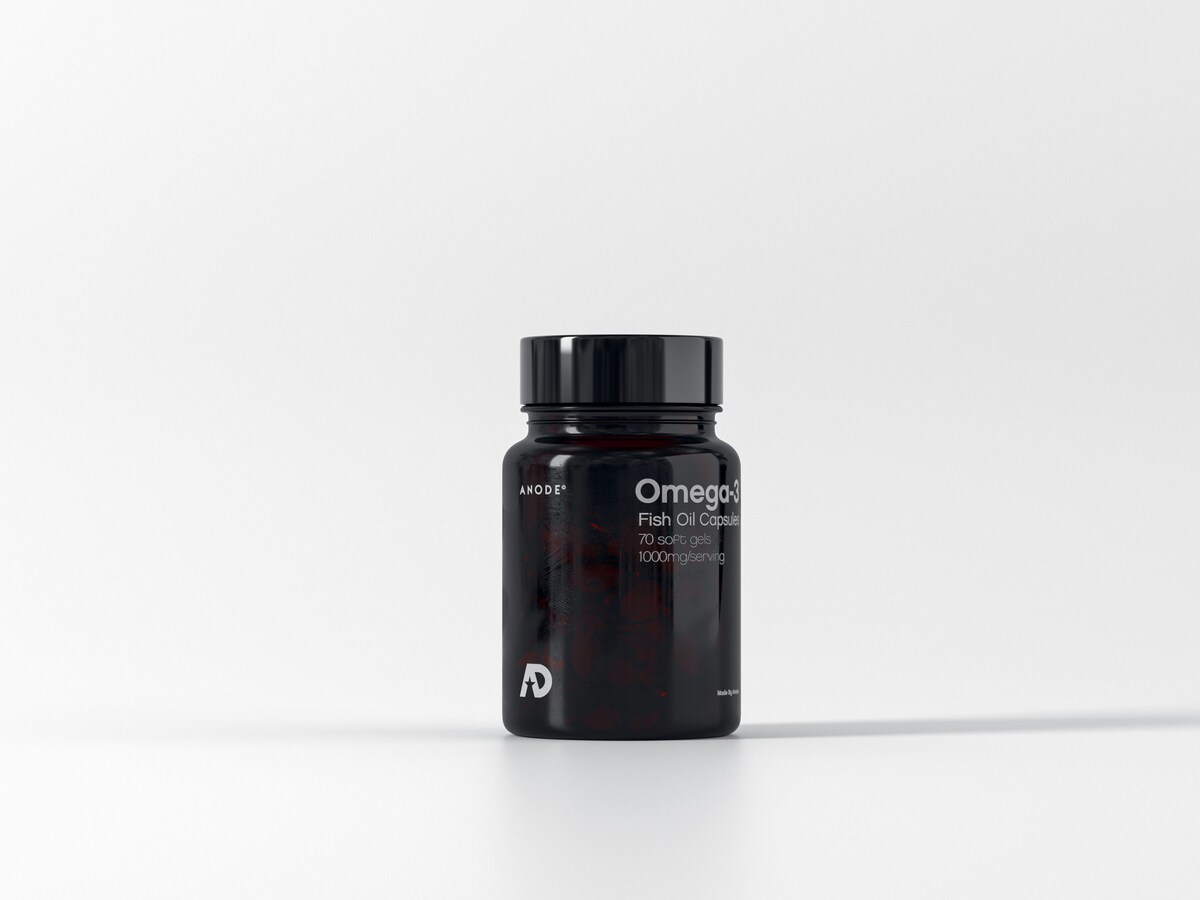
Within the last decade, research has revealed that omega-3 and depression may be a match-made in heaven. But how can fish oil help your depressive symptoms and how much should you take?
What are Omega-3 Fatty Acids?
Omega-3 fatty acids are an essential for many functions of the human body. Studies indicate they have an effect on everything from heart health to inflammation to mental health.
While research concerning omega-3s and mental health are only a decade old, there’s been a lot of promise. More so, that omega-3s may help the brain reach proper functioning. ¹
Beyond that, research suggests omega-3s can also help with: ²
- Heart disease
- High cholesterol
- Rheumatoid arthritis
Furthermore, other conditions are also being studies, such as attention-deficit/hyperactivity disorder (ADHD) and some forms of cancer.
Three types of omega-3s can be found within a diet, two of which are found in fish oil:
- Docosahexaenoic acid (DHA)
- Eicosapentaenoic acid (EPA)
While most people receive these omega-3s by eating fish, you also have the option to take a supplement.
Omega-3 and Depression: Is it Beneficial?
Researchers believe that people with depression may not have enough DHA and EPA in their brains. Therefore, taking a fish oil supplement can help return their brains to normal functioning.
In a 2009 review, researchers looked over three studies that incorporated EPA into three types of depression: major depression in adults, major depression in children, bipolar depression. Most of the subject that took EPA for all types of depression saw significant improvement in symptoms and benefited more than those who received the placebo. ³
A 2004 review found that DHA may also play an important role. It was discovered that those with minor depression, postpartum depression, and suicidal ideation had low levels of DHA and EPA in their system. These studies found that fish oil supplements improved symptoms in most participants. ⁴
Admittedly, more research needs to be done to confirm the use of omega-3s for depression. However, what we do have is very promising.

Omega-3 Dosage Recommendation
If you want more omega-3s in your diet, you can do so through the following:
- Adding more fish to your diet (i.e. salmon, tuna, shellfish)
- Fish oil supplements
- Flaxseed oil
- Algae oil
- Canola oil
The Food and Drug Administration (FDA) recommends two to three servings of fish per week. These sizes include:
- 4 ounces for adults
- 2 ounces for children
If you plan to take a fish oil supplement, the exact dosage varies depending on the severity of your depression. On average, most doctors recommend 1000 to 1200mg of fish oil daily. Most supplements you come across will have this dosage.
Omega-3 Safety and Side Effects
Taking too much fish oil can have negative effects to your health, including:
- Challenges in managing blood sugar levels
- Elevated LDL cholesterol
- Increased risk of bleeding
Furthermore, children and pregnant women are at a higher risk of mercury poisoning. Therefore, they should avoid eating certain types of fish and taking fish oil supplements. The types of fish to avoid include: ⁵
- Albacore tuna
- Mackerel
- Swordfish
- Tilefish
Keep in mind that fish oil supplements may interact with other medications. Therefore, you should consult your healthcare provider before you start taking it.
Omega-3 and Depression Reviews
Contemplating where to get your dose of omega-3 from? We recommend the following brands:
If you want a standard dose of fish oil, look no further than Nature’s Made. It’s made with all-natural ingredients to ensure purity and is the #1 pharmacist recommended vitamin and supplement brand.
Not a fan of capsules? No problem. brainMD offers a “Power Squeeze” fish oil supplement. This is essentially a liquid that can be taken as is. However, the orange creamsicle flavor may be a tasty addition to your favorite beverage.
Need a vegan-friendly omega-3 supplement? Naturesage has your back. These are made with 990mg of a-Linolenic acid (ALA) to provide you with a balanced dose of pure omega 3, 6, and 9.
Final Word
While omega-3 may be beneficial for depression, more research is necessary to confirm its use. Still, since people with depression seem to lack DHA and EPA, consuming more fish (or taking a fish oil supplement) seems like a promising alternative.
If you plan to take omega-3 for depression, we recommend you consult your healthcare provider beforehand.
References
¹ Dighriri IM, Alsubaie AM, Hakami FM, Hamithi DM, Alshekh MM, Khobrani FA, Dalak FE, Hakami AA, Alsueaadi EH, Alsaawi LS, Alshammari SF, Alqahtani AS, Alawi IA, Aljuaid AA, Tawhari MQ. Effects of Omega-3 Polyunsaturated Fatty Acids on Brain Functions: A Systematic Review. Cureus. 2022 Oct 9;14(10):e30091. doi: 10.7759/cureus.30091. PMID: 36381743; PMCID: PMC9641984.
² Mohebi-Nejad A, Bikdeli B. Omega-3 supplements and cardiovascular diseases. Tanaffos. 2014;13(1):6-14. PMID: 25191488; PMCID: PMC4153275.
³ Osher Y, Belmaker RH. Omega-3 fatty acids in depression: a review of three studies. CNS Neurosci Ther. 2009 Summer;15(2):128-33. doi: 10.1111/j.1755-5949.2008.00061.x. PMID: 19499625; PMCID: PMC6494070.
⁴ Logan AC. Omega-3 fatty acids and major depression: a primer for the mental health professional. Lipids Health Dis. 2004 Nov 9;3:25. doi: 10.1186/1476-511X-3-25. PMID: 15535884; PMCID: PMC533861.
⁵ Stratakis N, Conti DV, Borras E, Sabido E, Roumeliotaki T, Papadopoulou E, Agier L, Basagana X, Bustamante M, Casas M, Farzan SF, Fossati S, Gonzalez JR, Grazuleviciene R, Heude B, Maitre L, McEachan RRC, Theologidis I, Urquiza J, Vafeiadi M, West J, Wright J, McConnell R, Brantsaeter AL, Meltzer HM, Vrijheid M, Chatzi L. Association of Fish Consumption and Mercury Exposure During Pregnancy With Metabolic Health and Inflammatory Biomarkers in Children. JAMA Netw Open. 2020 Mar 2;3(3):e201007. doi: 10.1001/jamanetworkopen.2020.1007. PMID: 32176304; PMCID: PMC7076335.




Leave a Reply