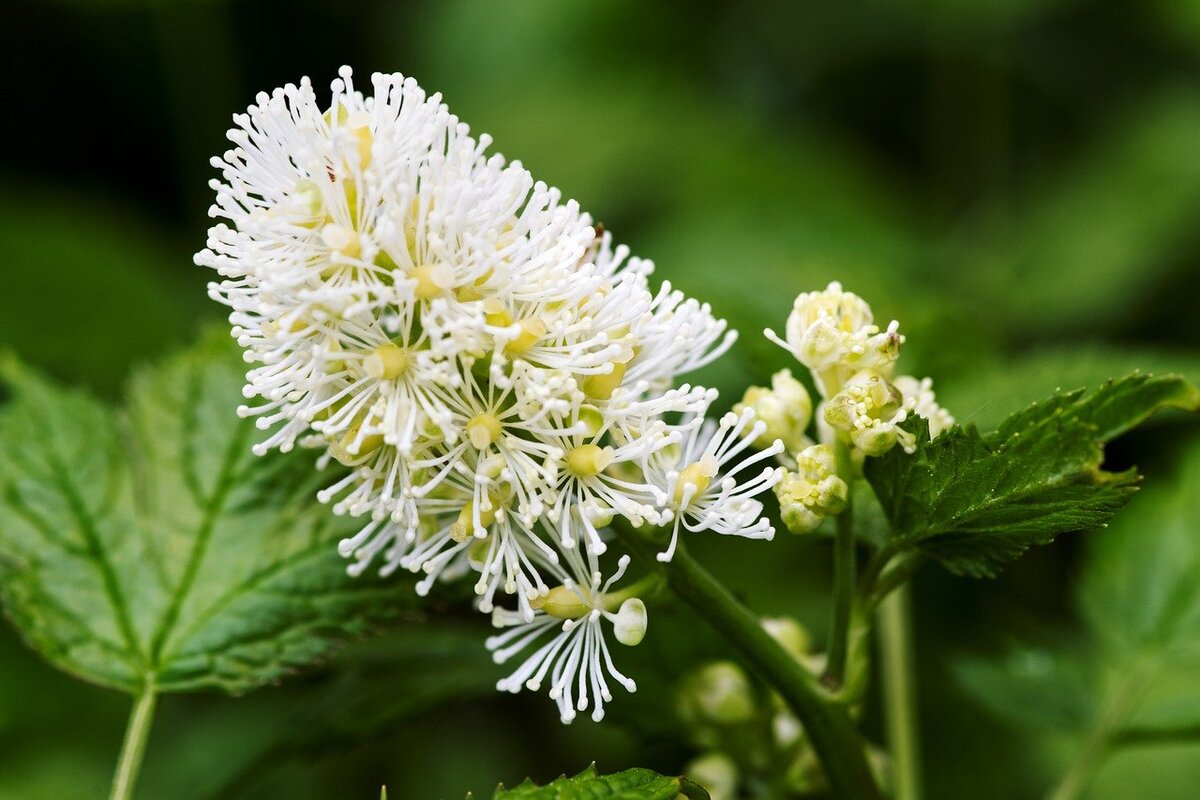
Black cohosh for mood swings is a popular natural remedy, but the science is mixed. Some randomized controlled trials show it can improve mood disturbances, while others find no meaningful difference compared to a placebo.
Mood swings are a common symptom of mental illness (especially in bipolar disorder). Even though it’s just a symptom, mood swings can disrupt various aspects of daily life, from work to relationships. Therefore, it’s understandable that many want to identify this symptom alone. With that, some have turned to black cohosh for mood swings.
Black cohosh is an all-natural supplement with several potential health benefits, including relief from menopausal symptoms and mood swings. While research is slim, we’ve identified black cohosh, what it can do for mood swings, and other important information.
Key Highlights
- Mixed evidence on mood benefits – Research on black cohosh for mood swings is limited and inconsistent. Some studies (particularly in menopausal women) show improvements in mood, anxiety, and sleep quality, while others find no significant difference compared to a placebo.
- Dosage varies by form – Standardized extract is typically taken at 20–80 mg per day, while tinctures and teas have their own dosage ranges; always follow product labeling and avoid exceeding recommended amounts, especially long-term.
- Risks require caution – Black cohosh carries potential risks, including liver damage with prolonged use, drug interactions, and contraindications for pregnant women, those with breast cancer, or people with certain clotting conditions. A doctor should be consulted before use.
Table of Contents
What is Black Cohosh?
Black cohosh (Actaea racemosa or Cimicifuga racemosa) is a flowering plant of the buttercup family native to eastern North America. It can be found from the extreme south of Ontario to central Georgia, and west to Missouri and Arkansas. ¹
Black cohosh has been utilized in various cultures, especially Native American medicine. However, recent research has found black cohosh may help with:
- Heart palpitations
- Hot flashes (or hot flushes)
- Irritability
- Nervousness
- Night sweats
- Sleep disturbances
- Tinnitus
- Vaginal dryness
The whole root of the black cohosh plant is extracted, ground up, and utilized for over-the-counter supplements. That said, black cohosh is usually taken through tablets and extracts in tincture or powdered form.
How Does Black Cohosh Affect the Body?
Black cohosh has antiosteoporotic effects which enhance bone formation by promoting calcium and phosphate absorption. Due to these effects, black cohosh is commonly sought after for alleviating menstrual complications, such as cramping and hot flashes in menopausal women.
The chemicals within black cohosh’s root have been found to work on the body’s immune system. This allows them to fight against certain diseases, especially those that cause inflammation. ²
Furthermore, black cohosh is believed to have a similar effect to estrogen. Some research suggests it can increase and decrease estrogen in certain body areas. For this reason, it should NOT be taken as an estrogen supplement. ³
There’s also a belief that black cohosh might be helpful for those with diabetic pain and prostate cancer (as it may slow the growth of cancer cells). ⁴ Still, these claims need more scientific studies to confirm if these effects are substantial enough.
How Does Black Cohosh Affect the Brain?
Black cohosh may interact through neurotransmitters and inflammatory pathways. As a result, this could explain why those experiencing menstrual and menopausal symptoms find relief.
On top of this, some researchers believe black cohosh can act as an antioxidant. Therefore, it may be utilized as an inhibitor of serotonin pathways, explaining how it’s utilized for pain relief. ⁵

Black Cohosh for Mood Swings
While black cohosh is not a cure, it may limit symptoms of bipolar disorder and other mental health conditions, such as anxiety and depression. However, most available studies aren’t directly connected to mental illness. Rather, research seeks out symptoms of other conditions (i.e., menopause) and reveals how black cohosh may help with psychology.
For this reason, black cohosh may only be useful for those who struggle with mental health and physical conditions. Before you take black cohosh, you should consult your healthcare provider.
What Does the Research Say?
By and large, black cohosh has seen positive results in easing mood swings. Most studies involve menopausal women who experience a wide variety of symptoms and have seen overall relief from black cohosh.
For example, a study done by the Department of Obstetrics and Gynecology through the University of Illinois in Chicago looked into the impact of certain herbal supplements (including St. John’s Wort, kava kava, ginkgo, and black cohosh) on menopausal women. They found that St John’s Wort and black cohosh positively affected overall mood, sleep quality, and emotional well-being. ⁶
Black cohosh was more noteworthy for having a significant impact on mood swings and reducing anxiety. On the other hand, St. John’s Wort showed promise in alleviating depression-related symptoms.
In a separate study, researchers sought to use black cohosh and evening primrose oil to reduce menopausal hot flashes. They found that black cohosh was more effective for hot flashes and improved participants’ quality of life. ⁷
Black Cohosh Dosage Recommendation
Black cohosh doses vary depending on the supplier and the form of the supplement, but most studies use somewhere between 20–80 milligrams of standardized extract daily, typically split into two doses. The table below breaks down general dosage ranges by form:
| Form | Typical Dosage | Notes |
| Standardized extract (capsule/tablet) | 20-40 mg, twice daily (40-80 mg/day total) | Most products are standardized to 2.5% triterpene glucosides, and effects generally begin after about 2 weeks, with maximum benefit around 8 weeks |
| Tincture/liquid extract | 2-4 mL, up to three times daily | Mixed into water or juice; follow the concentration listed on the product label |
| Dried root/tea | 1-2 grams steeped in boiling water for 10-15 minutes, up to three times daily | May be less effective for symptom relief than standardized extract |
Still, since black cohosh comes in different forms and concentrations, it’s best to take the suggested amount on a product’s label rather than relying solely on general guidelines above. Do not exceed the recommended dose, as it could negatively impact health, especially with long-term use. Most sources recommend limiting use to six months at a time unless otherwise directed by a healthcare provider.
Furthermore, if you’re taking black cohosh for a specific condition (i.e., menopause), it’s best to consult your doctor prior. While it’s uncommon, black cohosh has been found to have negative drug interactions.

What are the Side Effects of Black Cohosh?
The side effects of black cohosh are not as severe as those found with pharmaceutical therapies. Still, they’re important to be aware of. The most common side effects of black cohosh include: ⁸
- Dizziness
- Nausea
- Rash
- Upset stomach
- Vomiting
Risk Factors with Black Cohosh
There are other risk factors to keep in mind before taking black cohosh:
- Long-term, consistent black cohosh use can result in liver damage. Taking black cohosh alongside other herbs and supplements increases the risk.
- Pregnant or breastfeeding women should avoid black cohosh. It can increase the chances of miscarriage.
- If you have breast cancer, black cohosh may worsen the condition. You should avoid if you’re at a greater risk of developing breast cancer.
- Due to black cohosh’s hormone-like effects, it may increase the risk of blood clots in those with a protein-S deficiency.
Final Word
Black cohosh may offer some relief for mood swings, particularly those tied to menopause, but the research is far from conclusive. It’s not a guaranteed fix, and most studies focus on menopausal symptoms rather than mood swings linked to conditions like bipolar disorder or anxiety.
Before trying black cohosh, talk to your doctor, stick to labeled dosages, and avoid long-term use without medical guidance. If mood swings are significantly affecting your daily life, a healthcare provider or mental health professional is the safest next step.
Frequently Asked Questions (FAQs)
How long does it take for black cohosh to work?
Most people notice effects within 2–4 weeks of consistent use, with maximum benefits typically occurring around the 8-week mark.
Can I take black cohosh with antidepressants?
It’s not recommended without medical supervision. Black cohosh can raise serotonin activity, and combining it with SSRI or SNRI antidepressants carries a theoretical risk of serotonin syndrome (at least one case report has linked the combination to serotonin toxicity).
Is black cohosh the same as blue cohosh?
No. Black cohosh and blue cohosh are different herbs entirely; they aren’t even botanically related, and blue cohosh carries more serious safety concerns.
Can black cohosh help with anxiety unrelated to menopause?
It hasn’t been well studied outside of hormone-related contexts, so there’s limited evidence it helps with general anxiety or mood disorders on its own.
Is it safe to take black cohosh every day?
Short-term daily use (up to six months) is generally considered safe for most healthy adults, but long-term or extended use isn’t well studied and carries a higher risk of liver-related side effects.
References
¹ Wobser RW, Takov V. Black Cohosh. 2023 May 21. In: StatPearls [Internet]. Treasure Island (FL): StatPearls Publishing; 2024 Jan–. PMID: 29261886.
² Smith MJ, Germolec DR, Frawley RP, White KL Jr. Immunomodulatory effects of black cohosh (Actaea racemosa) extract in female B6C3F1/N mice. Toxicology. 2013 Jun 7;308:146-57. doi: 10.1016/j.tox.2013.03.017. Epub 2013 Apr 6. PMID: 23571075; PMCID: PMC3684955.
³ Szmyd M, Lloyd V, Hallman K, Aleck K, Mladenovik V, McKee C, Morse M, Bedgood T, Dinda S. The effects of black cohosh on the regulation of estrogen receptor (ERα) and progesterone receptor (PR) in breast cancer cells. Breast Cancer (Dove Med Press). 2018 Jan 18;10:1-11. doi: 10.2147/BCTT.S144865. PMID: 29403307; PMCID: PMC5779278.
⁴ Spangler L, Newton KM, Grothaus LC, Reed SD, Ehrlich K, LaCroix AZ. The effects of black cohosh therapies on lipids, fibrinogen, glucose and insulin. Maturitas. 2007 Jun 20;57(2):195-204. doi: 10.1016/j.maturitas.2007.01.002. Epub 2007 Feb 1. PMID: 17275226.
⁵ Ruhlen RL, Sun GY, Sauter ER. Black Cohosh: Insights into its Mechanism(s) of Action. Integr Med Insights. 2008;3:21-32. Epub 2008 Aug 27. PMID: 21614156; PMCID: PMC3046019.
⁶ Geller SE, Studee L. Botanical and dietary supplements for mood and anxiety in menopausal women. Menopause. 2007 May-Jun;14(3 Pt 1):541-9. doi: 10.1097/01.gme.0000236934.43701.c5. PMID: 17194961.
⁷ Mehrpooya M, Rabiee S, Larki-Harchegani A, Fallahian AM, Moradi A, Ataei S, Javad MT. A comparative study on the effect of “black cohosh” and “evening primrose oil” on menopausal hot flashes. J Educ Health Promot. 2018 Mar 1;7:36. doi: 10.4103/jehp.jehp_81_17. PMID: 29619387; PMCID: PMC5868221.
⁸ Huntley A, Ernst E. A systematic review of the safety of black cohosh. Menopause. 2003 Jan-Feb;10(1):58-64. doi: 10.1097/00042192-200310010-00010. PMID: 12544678.




Leave a Reply