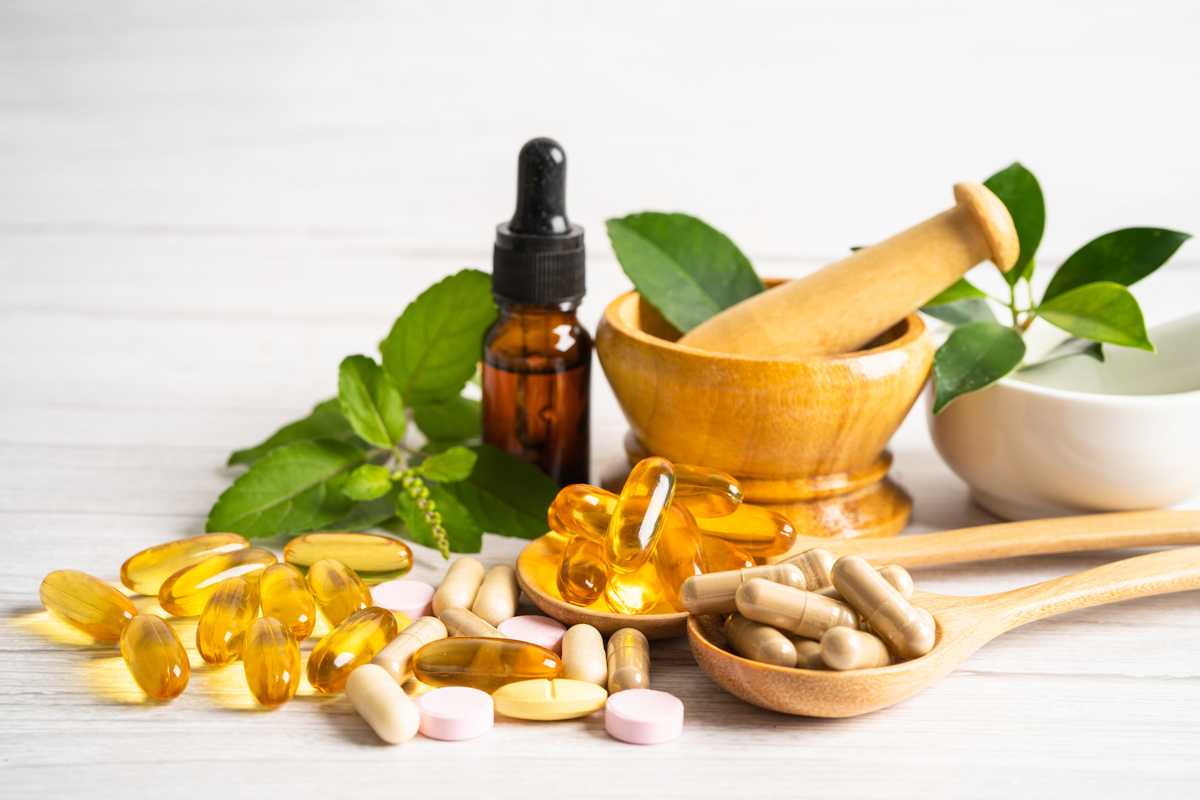
Stress is a constant part of our lives, impacting both our mental and physical well-being. As people look for alternatives to manage their stress, the demand for the best natural supplements for stress has grown.
Supplements offer an effective, natural method to reduce stress, anxiety, and tension, helping restore balance to your body and mind. In our ultimate guide, we’ll explore the top natural supplements for stress, covering their benefits, proper usage, and safety considerations.
Key Highlights
- Understanding Stress & Its Impact – Learn how chronic stress affects your mental and physical health, leading to issues like anxiety, cardiovascular problems, and weakened immunity.
- Top Natural Supplements for Stress Relief – Discover the best natural supplements, including Ashwagandha, Rhodiola Rosea, Magnesium, and L-Theanine, and how they help manage stress effectively.
- Enhancing Stress Management with Lifestyle Changes – Explore the benefits of combining supplements with mindfulness, exercise, proper sleep, and a balanced diet for long-term stress relief.
Table of Contents
What’s the Impact of Stress on Your Health?
Stress is a natural response to life’s challenges, preparing the body to face demanding situations. ¹ However, when stress becomes chronic, it can significantly affect both mental and physical health. Recognizing the signs of chronic stress and understanding its impact are crucial steps toward effective management.
Physical Health Implications
Chronic stress can lead to various physical health issues, including:
- Cardiovascular Problems – Persistent stress contributes to high blood pressure, increases heart rate, and can lead to heart disease, heart attacks, and strokes. ²
- Digestive Issues – Stress can cause digestive problems, such as irritable bowel syndrome (IBS), leading to discomfort and changes in appetite. ³
- Weakened Immune System – Ongoing stress can suppress the immune system, making the body more susceptible to infections. ⁴
Mental Health Consequences
The psychological effects of chronic stress are equally concerning:
- Anxiety and Depression – Long-term stress is linked to mental health disorders (i.e. anxiety and depression), affecting mood and overall emotional well-being. ⁵
- Cognitive Impairment – Stress can impair memory, concentration, and decision-making abilities, leading to cognitive difficulties. ⁶
What are the Signs of Chronic Stress?
Identifying the symptoms of chronic stress is essential for timely intervention: ⁷
- Behavioral – Changes in appetite, increased use of alcohol or drugs, and social withdrawal.
- Emotional – Feelings of anxiety, irritability, and mood swings.

Best Natural Supplements for Stress Relief
If you’re looking for the best natural supplements for stress relief, we recommend the following:
Ashwagandha
Ashwagandha is a popular adaptogen used in Ayurvedic medicine. This herb helps the body manage stress by regulating cortisol, the hormone that controls stress responses. By balancing cortisol levels, aswagandha can reduce anxiety, improve mood, and fight fatigue. ⁸
Available in capsules, powders, and other forms, ashwagandha is easy to incorporate into your routine. The typical recommended dose ranges from 300-500mg per day, though it’s always wise to consult with a healthcare professional before starting any supplement.
When taken properly, ashwagandha can enhance overall well-being. It may improve sleep, boost energy, and promote relaxation. However, it’s important to note that people with certain health conditions or those who are pregnant should seek medical advice before using it.
Rhodiola Rosea
Rhodiola rosea is a powerful adaptogen known for its ability to help the body handle stress. It works by regulating cortisol in a manner that can prevent burnout and mental fatigue. Many people also use rhodiola rosea to boost energy, improve focus, and enhance mood. ⁹
Furthermore, this herb supports brain function, making it useful for those experiencing stress-related cognitive fog. It may also improve physical endurance, which is why athletes and busy professionals often take it. ¹⁰ To ensure effectiveness, choose a supplement with standardized extracts containing 3% rosavins and 1% salidroside.
Magnesium
Magnesium is essential for stress management as it helps regulate neurotransmitters that promote relaxation. Low magnesium levels can contribute to anxiety, restlessness, and poor sleep. ¹¹ This makes supplementation beneficial for those dealing with chronic stress.
Magnesium for stress works by easing muscle tension, calming the nervous system, and supporting a balanced mood. It also improves sleep quality, which is crucial for overall well-being.
Magnesium glycinate is a preferred form due to its high absorption rate and gentle effect on digestion, making it a great choice for daily use. Still, there are other forms of magnesium. Magnesium citrate supports digestion, while magnesium threonate may enhance cognitive function.
L-Theanine
L-theanine helps the body manage stress by encouraging a calm yet alert state of mind. It works by increasing alpha brain waves, which promote relaxation without reducing focus or energy. ¹² This makes it a great option for those who need stress relief in a busy work environment.
L-theanine for stress also supports neurotransmitter balance by boosting levels of serotonin and dopamine. ¹³ Many people find it useful for reducing anxiety in high-pressure situations, whether at work or during social interactions.
Available in capsules, tablets, or as part of green tea, L-theanine is generally well-tolerated. The recommended dosage of 100-200mg per day is effective for promoting relaxation while maintaining mental clarity. It can also be combined with caffeine for enhanced focus without the jittery side effects.
Chamomile
Chamomile for stress relief has been used for centuries due to its calming and soothing effects. It helps reduce anxiety, ease nervous tension, and improve overall relaxation by interacting with neurotransmitters that regulate mood. ¹⁴
Furthermore, chamomile is known to support healthy sleep patterns, making it especially beneficial for those who experience stress-related insomnia. ¹⁵
Studies suggest that chamomile may also help lower cortisol. ¹⁶ Therefore, by promoting a sense of calm, it can help reduce irritability and improve emotional balance.
Chamomile is commonly consumed as a tea, but supplements and tinctures offer a concentrated option for those seeking stronger effects.
Valerian Root
People use valerian root for anxiety due to its calming effects on the nervous system. More specifically, by boosting GABA levels, it helps reduce stress, ease tension, and promote a sense of relaxation. ¹⁷ As a result, it’s helpful for sleep disorders and handling mild anxiety.
This herbal remedy is available in different forms, including capsules, teas, and liquid extracts. While valerian root tea provides a gentle, soothing effect, capsules and tinctures offer a more concentrated dose for stronger relief. The recommended dosage varies, but it’s best to start with a low amount and adjust as needed.
Some people may experience mild drowsiness, so it’s often used in the evening or before bed. ¹⁸ If taken correctly, valerian root can be an effective, natural way to support relaxation and stress management.
B Vitamins
Vitamins for stress relief are essential for maintaining mental clarity and reducing fatigue. B-complex vitamins support brain function by regulating neurotransmitters (i.e. serotonin and dopamine), which help balance mood and promote relaxation. ¹⁹ In particular, B6 and B12 play a key role in easing stress-related exhaustion, allowing the body to stay energized and focused. ²⁰
Since ongoing stress can help deplete these essential nutrients, supplementing with a B-complex formula can help restore balance. By replenishing these vitamins, you may notice improved resilience to stress, better concentration, and a greater sense of well-being.
CBD Oil
Cannabidiol (CBD) is a non-psychoactive compound found in hemp plants that has become a popular choice for many health conditions.
Cannabis-infused stress and anxiety supplements for relaxation, such as CBD oil, work by interacting with the body’s endocannabinoid system (ECS), which helps regulate mood and stress responses. ²¹ As a result, many users experience a sense of calm and improved focus without feeling drowsy.
To maximize the benefits, it’s essential to choose a high-quality, full-spectrum CBD product. Full-spectrum CBD contains the entirety of beneficial cannabinoids and terpenes found in the hemp plant, which work together to enhance its effects. ²² Furthermore, selecting a product that has undergone third-party lab testing ensures purity, potency, and overall effectiveness.
Kava Root
Kava root is a natural herb widely used to promote relaxation and reduce anxiety. It contains kavalactones, compounds that interact with neurotransmitters in the brain, helping to alleviate tension and improve mood. ²³ As a result, such holistic supplements for anxiety are often chosen for their ability to quickly induce calm and mental clarity.
However, it’s important to exercise caution with kava, as prolonged or excessive use may lead to potential liver toxicity. ²⁴ Therefore, it’s advisable to adhere to recommended dosage guidelines and consult with a healthcare professional before adding kava to your routine. Still, when used properly, kava can serve as an effective supplement for managing stress and anxiety.

How to Choose the Best Natural Supplement for Stress
Choosing the right natural supplement for stress depends on your unique situation, lifestyle, and health needs. First, assess the nature of your stress:
- If you’re dealing with anxiety or constant tension, supplements like ashwagandha or l-thenaine may be your best bet. These are known for their calming effects and ability to help the body respond to stress more effectively.
- On the other hand, if stress makes you feel fatigued or drained, rhodiola rosea can provide a boost in energy and enhance mental clarity.
- Similarly, if you’re struggling with sleep disturbances, you may want to consider chamomile or valerian root, both of which have sleep-promoting effects.
Before incorporating any supplement into your routine, it’s always wise to consult with a healthcare provider, especially if you’re currently on medication or have any pre-existing health conditions. Some supplements may interact with prescription drugs or cause unwanted side effects, so it’s important to get professional advice to make sure you choose the best option for your needs.
Another crucial factor in choosing a supplement is its quality. Not all supplements are created equal, so it’s important to choose products from reputable brands that prioritize transparency and quality control.
- Look for supplements that have undergone third-party testing for purity and potency. These tests ensure that the product contains what the label says and is free from harmful contaminants.
- Certifications such as Good Manufacturing Practices (GMP) or NSF Certified for Sport are a good indication that the product has been manufactured with strict quality controls.
- Furthermore, always read the ingredient list and avoid products with unnecessary fillers, artificial colors, or preservatives.
Combining Supplements with Lifestyle Changes
While natural supplements can provide significant benefits for stress management, they are most effective when combined with a well-rounded approach to overall health and well-being. The combination of proper supplements with lifestyle practices (i.e. exercise, mindfulness, etc.) can work together to alleviate stress more effectively.
Regular Exercise
Physical activity is one of the most powerful tools for managing stress. Exercise stimulates the production of endorphins, the brain’s natural mood enhancer, and helps regulate hormones like cortisol and adrenaline. ²⁵
Whether through aerobic exercise, strength training, yoga, or even a daily walk, exercise helps release pent-up tension, improve overall mood, and strengthen the body’s ability to deal with stress. For the best results, aim for at least 30 minutes of moderate exercise several times a week.
Mindfulness and Meditation
These practices encourage awareness of the present moment and can greatly reduce stress. Mindfulness practices take many forms, from formal meditation to breathing exercises.
Studies show that regular mindfulness and meditation practices can significantly lower cortisol levels, calm the mind, and improve emotional regulation. ²⁶ For those experiencing chronic stress or anxiety, these practices provide a mental reset that helps maintain focus and emotional balance.
Adequate Sleep
Sleep is essential for overall stress management. During sleep, your body regenerates and restores itself, and the brain processes emotions and memory. ²⁷ Chronic sleep deprivation can lead to an overactive stress response and make it harder for your body to recover from daily stressors. ²⁸
Therefore, establishing a consistent sleep routine, ensuring 7-9 hours of sleep each night, and creating a sleep-friendly environment can help you manage stress more effectively. It can also improve your mental and physical health.
Healthy Diet
A well-balanced diet plays a major role in stress management. Nutrients like omega-3 fatty acids, B vitamins, vitamin C, and complex carbohydrates support the nervous system and stabilize blood sugar levels, which can mitigate stress. ²⁹ Therefore, you want to eat foods such as:
- Fatty fish
- Leafy greens
- Nuts
- Seeds
- Whole grains
It can also help to avoid excessive sugar, caffeine, and processed foods as these increase stress hormones. ³⁰ ³¹

Potential Side Effects and Safety Considerations
While natural supplements offer various health benefits, they also come with potential risks. You should consider the following key factors:
- Possible Side Effects – Even natural ingredients can cause adverse effects, such as digestive issues, allergies, or headaches.
- Medication Interactions – Some supplements can interfere with prescription drugs, reducing their effectiveness or causing harmful effects.
- Dosage Risks – Excessive intake of supplements can be dangerous.
- Quality and Purity – Since the supplement industry lacks strict regulations, some products may contain contaminants, fillers, or inaccurate dosages. Opting for reputable brands with third-party testing ensures safety and efficacy.
- Pre-existing Conditions – If you have a condition such as high blood pressure, diabetes, or an autoimmune disorder, you should seek medical advice before using supplements. Some may worsen symptoms or negatively interfere with treatment.
- Pregnancy and Breastfeeding – Certain supplements may pose risks during pregnancy or breastfeeding, potentially affecting fetal development or milk composition. Consulting a doctor beforehand is crucial.
Final Word
Natural supplements can play a valuable role in stress management. However, they should complement—not replace—a balanced diet, regular exercise, and necessary medical care.
Approaching supplementation with knowledge and caution is key. Understanding potential benefits, recognizing possible side effects, and choosing high-quality products are essential.
Furthermore, you always want to consult a healthcare professional before starting any new supplement.
Frequently Asked Questions (FAQs)
What are the most effective supplements for managing stress?
According to our research, the most effective natural supplements for stress include ashwagandha, rhodiola rosea, magnesium, L-theanine, and CBD. These supplements are known for their ability to reduce cortisol levels, improve mood, and support relaxation.
Can herbal supplements help with anxiety and stress?
Yes, many herbal supplements (i.e. chamomile, valerian root, and kava) are proven to promote relaxation and reduce anxiety. These herbs work by calming the nervous system and enhancing mood.
Is magnesium effective for stress management?
Yes, magnesium is an excellent supplement for managing stress. It helps regulate neurotransmitters that support relaxation, reduce muscle tension, and promote restful sleep, which are crucial for stress management.
How does L-theanine help with stress?
L-theanine promotes relaxation by increasing alpha brain waves, which helps you feel calm without feeling drowsy. It’s a great option for those looking to calm their nerves during stressful moments.
Are adaptogenic herbs like Rhodiola rosea useful for stress?
Yes, adaptogens for stress management (i.e. rhodiola rosea) help balance the body’s stress response and improve mental performance. Rhodiola rosea specifically helps fight fatigue, reduce anxiety, and boost overall well-being during stressful situations.
References
¹ Dhabhar FS. The short-term stress response – Mother nature’s mechanism for enhancing protection and performance under conditions of threat, challenge, and opportunity. Front Neuroendocrinol. 2018 Apr;49:175-192. doi: 10.1016/j.yfrne.2018.03.004. Epub 2018 Mar 26. PMID: 29596867; PMCID: PMC5964013.
² Satyjeet F, Naz S, Kumar V, Aung NH, Bansari K, Irfan S, Rizwan A. Psychological Stress as a Risk Factor for Cardiovascular Disease: A Case-Control Study. Cureus. 2020 Oct 1;12(10):e10757. doi: 10.7759/cureus.10757. PMID: 33150108; PMCID: PMC7603890.
³ Konturek PC, Brzozowski T, Konturek SJ. Stress and the gut: pathophysiology, clinical consequences, diagnostic approach and treatment options. J Physiol Pharmacol. 2011 Dec;62(6):591-9. PMID: 22314561.
⁴ Alotiby A. Immunology of Stress: A Review Article. J Clin Med. 2024 Oct 25;13(21):6394. doi: 10.3390/jcm13216394. PMID: 39518533; PMCID: PMC11546738.
⁵ Ross RA, Foster SL, Ionescu DF. The Role of Chronic Stress in Anxious Depression. Chronic Stress (Thousand Oaks). 2017 Feb 17;1:2470547016689472. doi: 10.1177/2470547016689472. PMID: 32440578; PMCID: PMC7219927.
⁶ Scott SB, Graham-Engeland JE, Engeland CG, Smyth JM, Almeida DM, Katz MJ, Lipton RB, Mogle JA, Munoz E, Ram N, Sliwinski MJ. The Effects of Stress on Cognitive Aging, Physiology and Emotion (ESCAPE) Project. BMC Psychiatry. 2015 Jul 3;15:146. doi: 10.1186/s12888-015-0497-7. PMID: 26138700; PMCID: PMC4490700.
⁷ Mariotti A. The effects of chronic stress on health: new insights into the molecular mechanisms of brain-body communication. Future Sci OA. 2015 Nov 1;1(3):FSO23. doi: 10.4155/fso.15.21. PMID: 28031896; PMCID: PMC5137920.
⁸ Salve J, Pate S, Debnath K, Langade D. Adaptogenic and Anxiolytic Effects of Ashwagandha Root Extract in Healthy Adults: A Double-blind, Randomized, Placebo-controlled Clinical Study. Cureus. 2019 Dec 25;11(12):e6466. doi: 10.7759/cureus.6466. PMID: 32021735; PMCID: PMC6979308.
⁹ Ivanova Stojcheva E, Quintela JC. The Effectiveness of Rhodiola rosea L. Preparations in Alleviating Various Aspects of Life-Stress Symptoms and Stress-Induced Conditions-Encouraging Clinical Evidence. Molecules. 2022 Jun 17;27(12):3902. doi: 10.3390/molecules27123902. PMID: 35745023; PMCID: PMC9228580.
¹⁰ Noreen EE, Buckley JG, Lewis SL, Brandauer J, Stuempfle KJ. The effects of an acute dose of Rhodiola rosea on endurance exercise performance. J Strength Cond Res. 2013 Mar;27(3):839-47. doi: 10.1519/JSC.0b013e31825d9799. PMID: 23443221.
¹¹ Pickering G, Mazur A, Trousselard M, Bienkowski P, Yaltsewa N, Amessou M, Noah L, Pouteau E. Magnesium Status and Stress: The Vicious Circle Concept Revisited. Nutrients. 2020 Nov 28;12(12):3672. doi: 10.3390/nu12123672. PMID: 33260549; PMCID: PMC7761127.
¹² Nobre AC, Rao A, Owen GN. L-theanine, a natural constituent in tea, and its effect on mental state. Asia Pac J Clin Nutr. 2008;17 Suppl 1:167-8. PMID: 18296328.
¹³ Moshfeghinia R, Sanaei E, Mostafavi S, Assadian K, Sanaei A, Ayano G. The effects of L-theanine supplementation on the outcomes of patients with mental disorders: a systematic review. BMC Psychiatry. 2024 Dec 4;24(1):886. doi: 10.1186/s12888-024-06285-y. PMID: 39633316; PMCID: PMC11616108.
¹⁴ Mao JJ, Li QS, Soeller I, Rockwell K, Xie SX, Amsterdam JD. Long-Term Chamomile Therapy of Generalized Anxiety Disorder: A Study Protocol for a Randomized, Double-Blind, Placebo- Controlled Trial. J Clin Trials. 2014 Nov;4(5):188. doi: 10.4172/2167-0870.1000188. Epub 2014 Oct 9. PMID: 29057164; PMCID: PMC5650245.
¹⁵ Adib-Hajbaghery M, Mousavi SN. The effects of chamomile extract on sleep quality among elderly people: A clinical trial. Complement Ther Med. 2017 Dec;35:109-114. doi: 10.1016/j.ctim.2017.09.010. Epub 2017 Oct 13. PMID: 29154054.
¹⁶ Keefe JR, Guo W, Li QS, Amsterdam JD, Mao JJ. An exploratory study of salivary cortisol changes during chamomile extract therapy of moderate to severe generalized anxiety disorder. J Psychiatr Res. 2018 Jan;96:189-195. doi: 10.1016/j.jpsychires.2017.10.011. Epub 2017 Oct 16. PMID: 29080520; PMCID: PMC5710842.
¹⁷ Tammadon MR, Nobahar M, Hydarinia-Naieni Z, Ebrahimian A, Ghorbani R, Vafaei AA. The Effects of Valerian on Sleep Quality, Depression, and State Anxiety in Hemodialysis Patients: A Randomized, Double-blind, Crossover Clinical Trial. Oman Med J. 2021 Mar 31;36(2):e255. doi: 10.5001/omj.2021.56. PMID: 33936782; PMCID: PMC8077445.
¹⁸ Bent S, Padula A, Moore D, Patterson M, Mehling W. Valerian for sleep: a systematic review and meta-analysis. Am J Med. 2006 Dec;119(12):1005-12. doi: 10.1016/j.amjmed.2006.02.026. PMID: 17145239; PMCID: PMC4394901.
¹⁹ Kennedy DO. B Vitamins and the Brain: Mechanisms, Dose and Efficacy–A Review. Nutrients. 2016 Jan 27;8(2):68. doi: 10.3390/nu8020068. PMID: 26828517; PMCID: PMC4772032.
²⁰ Sofyan M, Fitriani DY, Friska D, Basrowi RW, Fuady A. B Vitamins, work-related stress and emotional mental disorders: a cross-sectional study among nurses in Indonesia. Nurs Open. 2022 Jul;9(4):2037-2043. doi: 10.1002/nop2.1213. Epub 2022 Apr 17. PMID: 35434916; PMCID: PMC9190671.
²¹ Capodice JL, Kaplan SA. The endocannabinoid system, cannabis, and cannabidiol: Implications in urology and men’s health. Curr Urol. 2021 Jun;15(2):95-100. doi: 10.1097/CU9.0000000000000023. Epub 2021 May 28. PMID: 34168527; PMCID: PMC8221009.
²² Christensen C, Rose M, Cornett C, Allesø M. Decoding the Postulated Entourage Effect of Medicinal Cannabis: What It Is and What It Isn’t. Biomedicines. 2023 Aug 21;11(8):2323. doi: 10.3390/biomedicines11082323. PMID: 37626819; PMCID: PMC10452568.
²³ Bian T, Corral P, Wang Y, Botello J, Kingston R, Daniels T, Salloum RG, Johnston E, Huo Z, Lu J, Liu AC, Xing C. Kava as a Clinical Nutrient: Promises and Challenges. Nutrients. 2020 Oct 5;12(10):3044. doi: 10.3390/nu12103044. PMID: 33027883; PMCID: PMC7600512.
²⁴ Teschke R, Sarris J, Schweitzer I. Kava hepatotoxicity in traditional and modern use: the presumed Pacific kava paradox hypothesis revisited. Br J Clin Pharmacol. 2012 Feb;73(2):170-4. doi: 10.1111/j.1365-2125.2011.04070.x. PMID: 21801196; PMCID: PMC3269575.
²⁵ Anderson E, Shivakumar G. Effects of exercise and physical activity on anxiety. Front Psychiatry. 2013 Apr 23;4:27. doi: 10.3389/fpsyt.2013.00027. PMID: 23630504; PMCID: PMC3632802.
²⁶ Keng SL, Smoski MJ, Robins CJ. Effects of mindfulness on psychological health: a review of empirical studies. Clin Psychol Rev. 2011 Aug;31(6):1041-56. doi: 10.1016/j.cpr.2011.04.006. Epub 2011 May 13. PMID: 21802619; PMCID: PMC3679190.
²⁷ Eugene AR, Masiak J. The Neuroprotective Aspects of Sleep. MEDtube Sci. 2015 Mar;3(1):35-40. PMID: 26594659; PMCID: PMC4651462.
²⁸ Minkel JD, Banks S, Htaik O, Moreta MC, Jones CW, McGlinchey EL, Simpson NS, Dinges DF. Sleep deprivation and stressors: evidence for elevated negative affect in response to mild stressors when sleep deprived. Emotion. 2012 Oct;12(5):1015-20. doi: 10.1037/a0026871. Epub 2012 Feb 6. PMID: 22309720; PMCID: PMC3964364.
²⁹ Gómez-Pinilla F. Brain foods: the effects of nutrients on brain function. Nat Rev Neurosci. 2008 Jul;9(7):568-78. doi: 10.1038/nrn2421. PMID: 18568016; PMCID: PMC2805706.
³⁰ Di Polito N, Stylianakis AA, Richardson R, Baker KD. Real-World Intake of Dietary Sugars Is Associated with Reduced Cortisol Reactivity Following an Acute Physiological Stressor. Nutrients. 2023 Jan 1;15(1):209. doi: 10.3390/nu15010209. PMID: 36615866; PMCID: PMC9823716.
³¹ Lovallo WR, Whitsett TL, al’Absi M, Sung BH, Vincent AS, Wilson MF. Caffeine stimulation of cortisol secretion across the waking hours in relation to caffeine intake levels. Psychosom Med. 2005 Sep-Oct;67(5):734-9. doi: 10.1097/01.psy.0000181270.20036.06. PMID: 16204431; PMCID: PMC2257922.




Leave a Reply